Miniature poodle training success relies on early consistency, positive reinforcement, and understanding that this intelligent dog breed thrives when you train a poodle using reward-based methods rather than harsh corrections, ensuring your smart puppy grows into a confident, obedient adult companion.
Poodle Training Basics
Understanding the Miniature Poodle
Every dog owner quickly learns this intelligent miniature breed possesses a remarkable mind, meaning your new dog requires proper mental stimulation and daily exercise to prevent boredom, making poodle training an absolute joy when you appreciate their sensitive and responsive nature.
Why Training is Essential for Miniature Poodles
Without solid poodle training, an intelligent miniature pup might find ways to outsmart you, so establishing clear boundaries early on helps your clever dog navigate household rules regarding the couch, barking, and chew toys while keeping them mentally sharp and happy.
Key Training Principles for Poodles
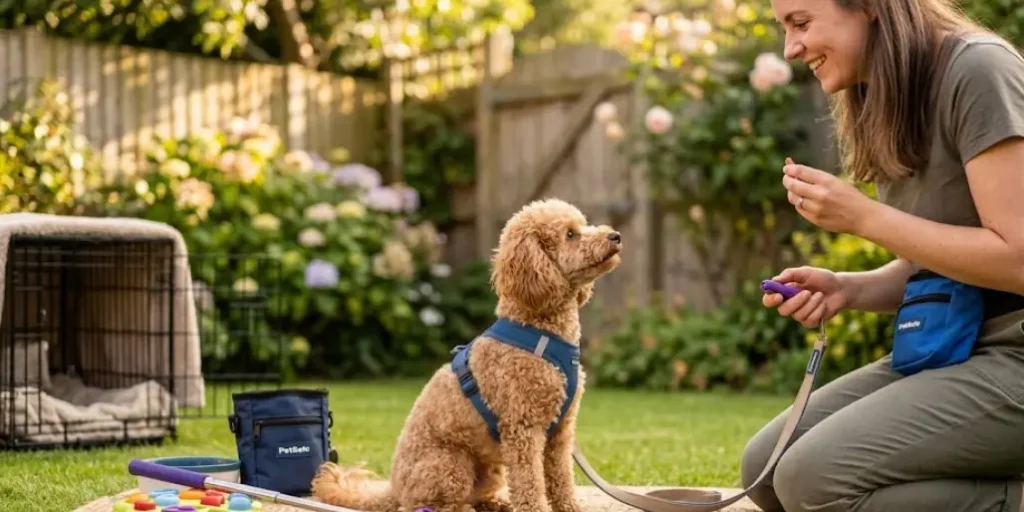
Successful puppy training sessions for this clever dog breed demand absolute consistency and plenty of praise, so every proud owner should utilize clicker training and tasty treats to shape desirable behaviors without ever resorting to intimidating or heavy-handed corrections.
Puppy Training Techniques
Starting Early: Training Your Miniature Poodle Puppy
When you bring home a tiny poodle puppy, starting foundational poodle puppy training right away is crucial for tackling tricky tasks like potty training and teaching basic commands through short, engaging, and highly rewarding repetition sessions every single day.
Socialization Strategies for Puppies
Exposing your developing miniature pup to diverse environments, friendly dog breeds, and different people builds a wonderfully confident dog, so every dedicated owner must prioritize early socialization alongside obedience to ensure a well-adjusted adult companion later.
Basic Commands Every Puppy Should Learn
Mastering essential obedience commands gives your intelligent dog the structure they crave, allowing any attentive owner to build a lifelong bond based on mutual trust and respect by easily teaching them how to:
- sit
- stay
- come when called
Adult Miniature Poodle Training
Transitioning from Puppy to Adult Training
As your clever pup matures into a magnificent adult dog, your approach to poodle training must evolve to match their changing mindset, ensuring consistency remains high while you guide your sensitive miniature poodle through new milestones, helping this intelligent breed navigate the transition smoothly with plenty of praise.
Advanced Commands and Tricks for Adult Poodles
Teaching exciting tricks and advanced commands keeps this smart miniature poodle mentally stimulated and deeply engaged, allowing any dedicated owner to use positive reinforcement and fun trick training sessions to challenge their athletic dog breed with agility, scent work, and complex puzzles.
Addressing Behavioral Issues in Adult Poodles
Sometimes an adult miniature poodle might test boundaries regarding excessive barking or chewing on the couch, but addressing these habits requires calm consistency, redirection to appropriate chew toys, and avoiding harsh corrections so your responsive dog stays confident.
Training Methods and Tools
Positive Reinforcement Techniques
The absolute best way to train a poodle of any age is through enthusiastic positive reinforcement, where every successful command is met with high-value rewards and praise, making poodle training an enjoyable bonding experience for both you and your intelligent dog.
Essential Tools for Training Your Miniature Poodle
Having the right gear makes teaching your miniature poodle a breeze, so every owner should stock up on:
- tasty treats
- a reliable clicker for precise timing
- interactive toys that satisfy their natural curiosity during daily training sessions
Common Mistakes to Avoid in Poodle Training
Avoid rushing your miniature poodle through lessons or relying on inconsistent rules, as this intelligent dog breed thrives on clear structure; keeping sessions short and positive ensures your pup never gets overwhelmed or frustrated by the process.
To deepen your understanding of working with smaller companions, you might also want to explore our guide on Non-Sporting & Toy Breed Training for additional expert insights.
We hope these tips help you raise a well-behaved companion. For more helpful resources on caring for your pet, check out DogBreedCalc.
Special Considerations for Different Poodle Sizes
Training Differences Between Miniature, Toy, and Standard Poodles
Every intelligent dog breed possesses unique traits, meaning you must tailor your approach when you train a miniature poodle, a tiny toy poodle, or a large standard poodle. Each variety of this smart dog responds differently to exercise and mental stimulation, ensuring your puppy thrives regardless of its size.
Tailoring Your Approach to Miniature Poodles
When you train a miniature poodle, consistency is key for this sensitive yet confident pup. Because this clever dog breed loves learning new tricks, incorporating positive reinforcement and treat rewards into your daily routine helps your miniature companion master obedience effortlessly while keeping sessions fun.
Resource Recommendations for Poodle Owners
Every dedicated owner needs the right tools to support successful poodle training. To get started, make sure you have:
- A reliable clicker and tasty treats
- Expert books and online guides to help you navigate grooming needs, coat care, and behavioral training
Further Learning and Resources
Connecting with Other Poodle Owners
Joining local dog clubs allows you and your poodle to socialize in a safe environment, helping your intelligent puppy build confidence around other dog breeds and people while you share valuable training tips with fellow enthusiasts.
Professional Training Options for Your Miniature Poodle
Enrolling your responsive miniature dog in professional classes provides wonderful structure and expert guidance, helping your clever pup conquer advanced obedience, agility, and fun trick training while strengthening the bond between you and your pet.
Explore Non-Sporting & Toy Breed Training
To further expand your knowledge on handling smaller dogs, check out our dedicated guide on Non-Sporting & Toy Breed Training for more helpful insights. For accurate growth projections and tailored advice, be sure to visit DogBreedCalc.
FAQ
Q: Are mini Poodles actually easy to train?
A: Yeah, totally! Minis are seriously one of the smartest dog breeds out there, ranking super high in problem-solving ability according to the AKC. They’re eager to please and pick up commands fast. The trick is keeping them mentally stimulated because a bored mini can get restless and find their own (usually annoying) entertainment.
Q: What’s the best setting for training a mini Poodle puppy?
A: Start in a quiet, low-distraction space at home before moving to busier spots. Minis are lively and energetic, so they can get overstimulated easily in new environments. Once they nail the basics in a calm setting, gradually introduce new situations like parks or pet stores to build their confidence.
Q: My mini Poodle gets anxious around new people. Is this normal?
A: Super common, actually. Many minis are naturally a bit more sensitive and can turn anxious in unfamiliar situations if they weren’t socialized early. The fix is slow, positive exposure—treats, calm praise, and not forcing interactions. Over time most minis warm up and become the lap dogs they’re famous for being.
Q: How important is feeding schedule for training?
A: Super important! Using mealtime as part of training (hand-feeding kibble during sessions, for example) reinforces good behavior naturally. Also, keeping a consistent feeding routine helps predict potty breaks, which makes house-training way smoother.
Q: Do mini Poodles need grooming training too?
A: Absolutely. Get your pup used to being handled early—ears, paws, mouth, everything—so grooming and hygiene routines aren’t a battle later. This also makes nail trimming and tooth brushing way less stressful. A good groomer will thank you if your dog is already comfortable being touched all over.
Q: Are mini Poodles good for dog sports?
A: 100%. Their energy and smarts make them naturals for agility, obedience, and even scent work. Dog sports are a great outlet for that lively personality and help burn off energy so they’re calmer at home. Plus it strengthens your bond big time.
Q: How much space does a mini Poodle actually need?
A: Good news—minis don’t need a mansion. They adapt well to apartments or smaller homes as long as they get daily exercise and mental stimulation. Space matters less than making sure they’re not left alone too long, since they can get anxious or destructive if isolated.
Q: What’s the secret to keeping training sessions effective?
A: Keep them short, fun, and consistent. Minis are energetic and eager, but their attention span isn’t infinite. Five to ten minute sessions a few times a day work way better than one long, boring one. Mix in play and praise to keep things exciting.
Q: Is nail trimming really a big deal for Poodles?
A: Yes! Mini Poodles’ nails grow fast, and overgrown nails can cause posture and joint problems. Getting them comfortable with nail trimming as puppies (lots of treats and patience) saves you a ton of stress down the road, whether you do it yourself or leave it to the groomer.
Q: Why are mini Poodles considered such good lap dogs despite being energetic?
A: It’s the balance—they’re playful and active, but once they’ve had their exercise, minis genuinely love snuggling up. Their affectionate, people-focused nature (plus their smarts) makes them great companions who know when it’s go-time and when it’s cuddle time.