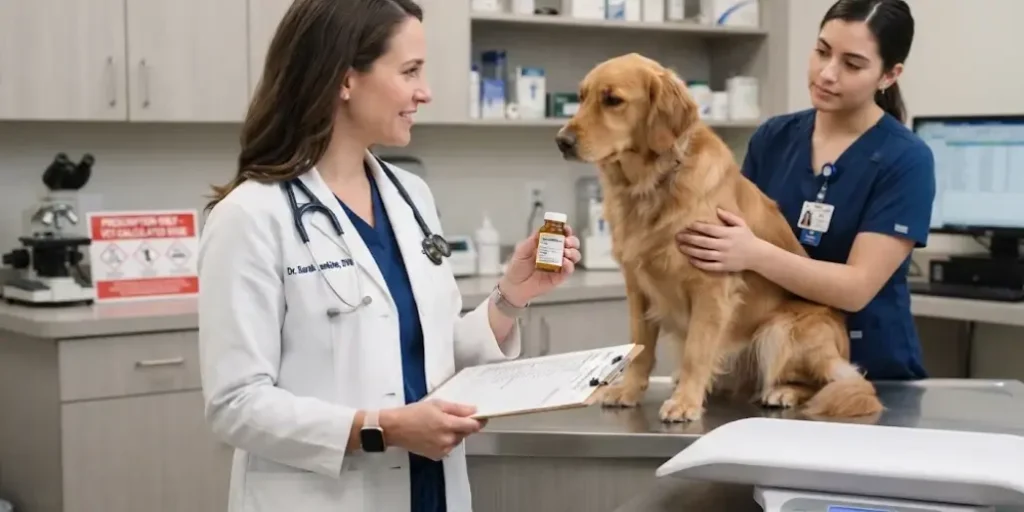

The standard dosage of hydroxyzine for dogs is 1 to 2 milligrams per pound of body weight, administered orally every 8 to 12 hours under veterinary supervision. Veterinarians prescribe this first-generation antihistamine to relieve severe itching, acute allergic reactions, hives, and atopic dermatitis by blocking histamine H1 receptors. Because individual tolerance varies and tablets come in multiple strengths (10 mg, 25 mg, and 50 mg), calculating the exact dose prevents excessive sedation or under-treatment. Use the weight-based guidelines, tablet splitting tips, and side effect warnings below to confirm your veterinarian’s exact instructions.
Understanding Hydroxyzine
What is Hydroxyzine?
Hydroxyzine is an antihistamine that veterinary professionals frequently prescribe to manage various dermatological conditions and environmental allergies in dogs and cats. When an allergic reaction occurs, the body releases histamine, which causes uncomfortable itching, inflammation, and skin irritation. By blocking these histamine receptors, this medication helps to soothe the skin and reduce the relentless scratching associated with seasonal allergies and other hypersensitivity issues.
Hydroxyzine HCl vs Hydroxyzine Pamoate
When you take hydroxyzine or get a prescription filled, you will generally encounter two distinct chemical formulations known as hydroxyzine HCl and hydroxyzine pamoate. Hydroxyzine HCl is typically available in tablet form, while hydroxyzine pamoate is often sold as a suspension or capsule. Both forms function effectively to control itching and reduce anxiety, but your veterinarian will determine which specific variant is most appropriate for your canine companion based on availability and individual needs.
Hydroxyzine as an Antihistamine
As a powerful first-generation antihistamine, hydroxyzine is widely recognized for its ability to calm the nervous system in addition to managing allergies in dogs. Because of its unique pharmacological properties, the effects of hydroxyzine often include significant sedation, making it useful for managing anxiety alongside dermatological flare-ups. Pet owners should always consult a veterinary expert before giving hydroxyzine to ensure the correct dose of hydroxyzine is administered without risking an accidental overdose.
Dosage Information
Correct Dosage of Hydroxyzine for Dogs
When determining the appropriate dosage of hydroxyzine for dogs, pet owners must follow professional guidance strictly to ensure safety. The standard dosage of hydroxyzine for dogs usually ranges between one to two milligrams per pound of body weight, administered every 8 to 12 hours. Because every dog may react differently, your veterinarian will calculate the exact amount needed to manage severe itching, allergies in dogs, and atopic dermatitis effectively without causing harm.
Hydroxyzine Dosage Chart
Hydroxyzine for Dogs — Dosage & Safety Guide
Weight‑based estimate + key clinical facts. Always confirm with your vet.
📊 Quick weight‑based reference
Effects begin within 1–2 hours; peak sedation around 1–3 hours. Duration is roughly 8–12 hours per dose.[reference:0][reference:1]
Drowsiness / sedation is expected. Other reported effects include dry mouth, incoordination, tremors, and (rarely) seizures or overexcitement.[reference:2][reference:3]
- Severe liver disease or kidney disease
- Glaucoma or urinary obstruction / prostate enlargement
- Heart disease or high blood pressure
- Dogs already on other sedatives or CNS depressants (additive drowsiness)
- Pregnancy or breeding dogs (hydroxyzine is teratogenic in animals)[reference:4]
Never give human combination antihistamine products — they may contain toxic ingredients. Use only hydroxyzine prescribed for your dog.[reference:5]
Educational reference only. Hydroxyzine is extra‑label in dogs. Oral bioavailability in dogs is about 72%, but individual response varies. Always confirm dose, frequency, and suitability with a licensed veterinarian.
A reliable dosage of hydroxyzine chart helps pet owners administer the correct medication amount based on canine body weight measurements. Below is a helpful reference guide outlining typical dosage recommendations for various dog sizes when managing allergic conditions.
Always confirm these figures with your veterinarian before you give hydroxyzine to your dog.
| Dog Size (Weight) | Dosage | Frequency |
|---|---|---|
| Small Dogs (10 lbs) | 10 mg to 20 mg | Every 8 to 12 hours |
| Medium Dogs (30 lbs) | 30 mg to 60 mg | Every 8 to 12 hours |
| Large Dogs (60 lbs) | 60 mg to 120 mg | Every 8 to 12 hours |
How to Calculate Hydroxyzine Dosage
To properly calculate the dosage of hydroxyzine, you must accurately weigh your canine companion and multiply that weight in pounds by the prescribed mg per pound rate. Since hydroxyzine is an antihistamine that can cause significant sedation, precision is vital. If you ever feel uncertain about how to give your dog the medication, consult a licensed veterinary professional to prevent an accidental overdose.
Effects of Hydroxyzine on Dogs
Positive Effects of Hydroxyzine
The positive effects of hydroxyzine in dogs extend far beyond simple allergy relief, making it a versatile prescription option. Because hydroxyzine is an antihistamine used to treat various dermatological issues, it successfully blocks histamine to stop intense itching. Furthermore, the calming properties of hydroxyzine can induce mild sedation, which helps soothe anxious pets suffering from stressful environmental triggers or motion sickness in dogs.
Common Side Effects of Hydroxyzine
Understanding the common side effects of hydroxyzine helps pet owners monitor their animals closely during treatment periods. A very common side effect of hydroxyzine is pronounced drowsiness and lethargy due to its sedating nature. While these effects are generally mild and expected, some dogs and cats might also experience other symptoms while taking the medication, such as:
- dry mouth
- mild gastrointestinal upset
- urinary retention
If your dog develops severe vomiting or persistent nausea while being treated for allergies, ask your veterinarian about appropriate anti-nausea options and review the ondansetron for dogs dosage calculator for vet-prescribed guidance.
Hydroxyzine Overdose in Dogs
An accidental hydroxyzine overdose can occur if a dog consumes too much medication, leading to severe toxicity and dangerous complications. Symptoms of an overdose may include:
- extreme lethargy
- respiratory depression
- dangerously low blood pressure
- severe weakness
If you suspect your dog has received an excessive dose of hydroxyzine, you must contact your emergency veterinarian immediately for professional medical intervention and supportive care.
To ensure your pet’s safety when calculating prescriptions and managing allergies, always utilize reliable tools and consult with professionals like those behind DogBreedCalc.
Administration and Precautions
How to Give Hydroxyzine to Your Dog
When giving hydroxyzine to your dog, it is essential to follow the specific instructions provided by your veterinarian. You can administer the medication with or without food, though giving it with a small treat may help prevent any mild gastrointestinal upset. Always ensure that fresh water is readily available, and never alter the recommended dosage of hydroxyzine without first consulting a licensed veterinary professional to guarantee your pet remains safe and comfortable throughout the treatment process.
Hydroxyzine Interactions with Other Medications
Before you take hydroxyzine or allow your canine companion to start the medication, you must discuss all current drugs and supplements with your veterinarian. Hydroxyzine can interact negatively with other central nervous system depressants, including certain sedatives, tranquilizers, and pain relievers. These dangerous interactions may amplify the common side effects of hydroxyzine, leading to excessive drowsiness and severe lethargy. Always provide a complete medical history to your veterinary team to avoid complications.
When to Consult a Veterinarian
You should immediately consult your veterinarian if your dog experiences unusual behavioral changes, severe lethargy, or signs of an accidental overdose while receiving hydroxyzine for dogs. Furthermore, if the medication fails to provide adequate relief for itching, allergies in dogs, or atopic dermatitis after a few days, a professional re-evaluation is necessary. A veterinarian can adjust the dose of hydroxyzine or recommend alternative therapeutic options tailored specifically to your beloved pet’s unique healthcare needs.
Conclusion
Final Thoughts on Hydroxyzine for Dogs
In summary, hydroxyzine is a highly effective first-generation antihistamine widely utilized to manage severe itching, atopic dermatitis, and environmental allergies in dogs and cats. While the positive effects of hydroxyzine offer tremendous comfort to suffering animals, pet owners must remain vigilant regarding potential side effects like sedation and drowsiness. By adhering strictly to professional dosage guidelines, you can safely help your furry companion find long-lasting relief from uncomfortable skin irritations.
Consulting Your Veterinarian
Always prioritize professional veterinary guidance before initiating any new pharmaceutical regimen, ensuring that the prescribed medication is entirely safe for your specific dog. Regular check-ins allow your trusted veterinarian to monitor treatment efficacy, adjust the dosage of hydroxyzine as needed, and rule out any underlying health conditions. Your proactive communication ensures your pet lives a healthy, happy, and itch-free life.
About DogBreedCalc
To ensure your pet’s safety when calculating precise medication amounts and managing various canine health conditions, always utilize reliable educational resources and tools provided by experts like those behind DogBreedCalc.