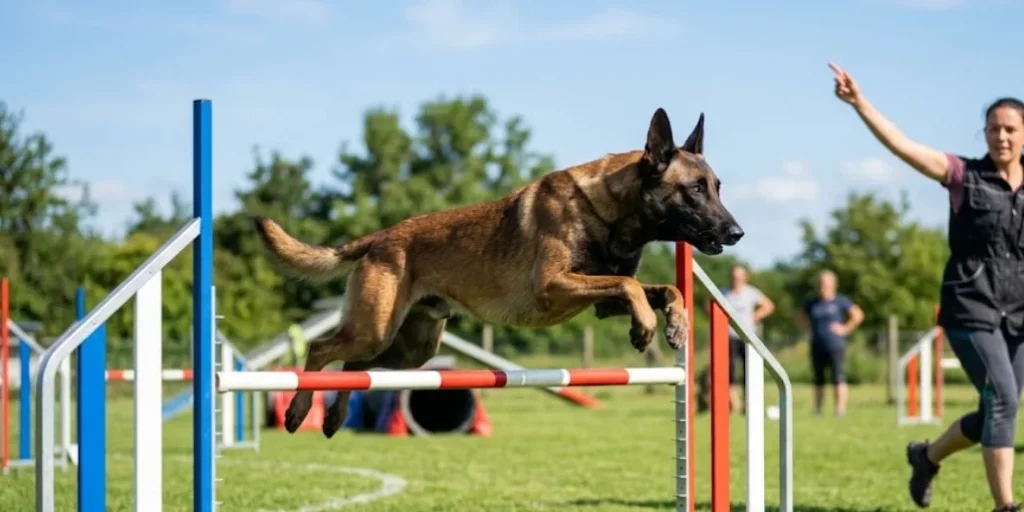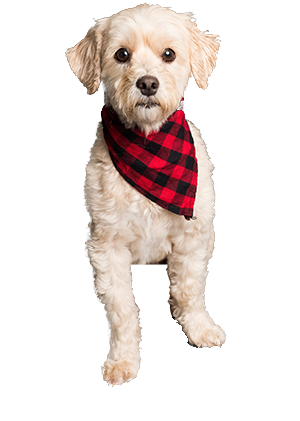
Training advice that ignores your dog’s breed is only half the picture. A Border Collie and a Bulldog don’t just look different — they were bred for different jobs, and that history shapes how they learn, what motivates them, and where they’re most likely to struggle. This directory organizes breed-specific training guidance by group, so you can start with an approach that actually fits your dog’s instincts instead of a generic obedience checklist.
Why breed matters in training
Dogs bred to herd, guard, hunt, or simply be a companion carry different drives into everyday training. A herding breed’s instinct to chase and nose-nudge shows up as a training challenge in a house with kids; a guardian breed’s wariness of strangers needs early, structured socialization rather than correction. Understanding the “why” behind a behavior is what makes a training plan stick. See our companion piece on Selective Breeding in Dogs for more on how these differences came to be.
Browse by breed group
🐑 Herding Breeds
Bred to think independently and move other animals — these dogs need a job, not just a walk. → Herding Breed Training — Belgian Malinois, Border Collie, Corgi, Dutch Shepherd, German Shepherd, Australian Kelpie
🐾 Terriers
Bred to hunt vermin independently — feisty, tenacious, and often more stubborn than their size suggests. → Terrier Training — Airedale Terrier, Border Terrier, Jack Russell Terrier, Staffordshire Bull Terrier, Irish Terrier
🎯 Sporting Breeds
Bred to work alongside hunters — typically eager to please and food/toy motivated, which makes them very trainable. → Sporting Breed Training — Cocker Spaniel, Golden Retriever, Labrador Retriever, Springer Spaniel, Vizsla
💪 Working Breeds
Bred for guarding, pulling, and physical work — often large, strong, and needing confident, consistent handling. → Working Breed Training — Boxer, Cane Corso, Doberman, Great Dane, Husky, Rottweiler, Saint Bernard, Samoyed, Bernese Mountain Dog
🐺 Hounds
Bred to track or chase by scent or sight — independent noses (and eyes) that can override recall in an instant. → Hound Training — Beagle, Dachshund, Irish Wolfhound, Lurcher
🎀 Non-Sporting & Toy Breeds
A varied group bred mostly for companionship — training challenges here are often more about size-appropriate handling and stubborn streaks than raw energy. → Non-Sporting & Toy Breed Training — Cavalier King Charles Spaniel, Dalmatian, English Bulldog, French Bulldog, Miniature Poodle, Bichon Frise
🧬 Mixed & Designer Breeds
Crosses that can inherit training traits from either parent breed — worth understanding both sides of the pedigree. → Mixed & Designer Breed Training — Cockapoo, Labradoodle, Sprollie, Pocket Bully
Related topics
- Selective Breeding in Dogs — why different breeds need different training approaches in the first place
- Dogs With Webbed Feet — which breeds have them, and what it means for water-based training and activities
General training principles across every breed
- Start socialization and basic obedience early, regardless of breed — the window for easy socialization narrows quickly after a few months of age.
- Match your training method to your dog’s motivation: food-driven sporting breeds respond differently than independent-minded terriers or hounds.
- Physical exercise alone rarely solves behavior problems in high-drive breeds — mental engagement (puzzle toys, scent work, structured tasks) matters just as much.
- Consistency across everyone in the household matters more than the specific method you choose.
- When a breed’s guides mention “professional trainer recommended,” that’s usually because the breed’s size, strength, or working drive raises the stakes of getting it wrong — not because the breed is inherently harder to love.