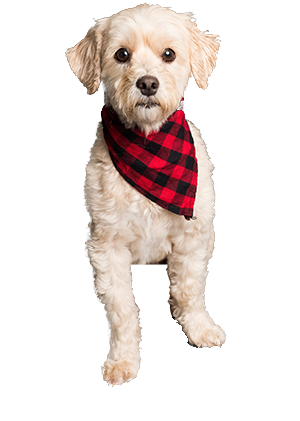

Embarking on the journey of Labrador Retriever training is an exciting adventure for any new pup parent. These intelligent and eager-to-please dogs can be wonderful companions, and with the right approach, you can foster a well-behaved and happy member of your family. This guide will help you understand the nuances of training your Labrador, from puppyhood through adulthood.
Are Labradors easy to train?
Understanding the Labrador’s temperament
Labradors are generally considered one of the easiest breeds to train, often making them an easy first dog for many new owners. Their naturally friendly and eager-to-please temperament, combined with strong food motivation and retrieving instinct, makes them highly receptive to obedience training. This breed’s inherent desire to work alongside humans means they often pick up new commands and behaviors quite quickly during training sessions.
Benefits of training a Labrador
The benefits of consistent Labrador Retriever training are immense, leading to a well-adjusted and well-behaved companion. A properly trained Labrador will exhibit excellent impulse control, understand basic commands like “sit,” “stay,” and calmly walk on a leash, and be a joy to have around. Effective dog training also strengthens the bond between you and your pup, ensuring a harmonious household and fewer behavioral issues as your young dog matures.
Challenges faced by first-time owners
While Labradors are often touted as simple to train, first-time owners might still encounter challenges, especially when dealing with their notorious puppy energy and mouthiness. Managing high energy levels in early training stages and consistently applying positive reinforcement without over-relying on treats can be tricky. It’s crucial to understand that even an easy-to-train breed requires patience, consistency, and a clear training program to overcome these common hurdles.
Using food motivation without overfeeding
Labradors are famously food-motivated, which can be a huge asset in dog training, but it also comes with a significant caveat: weight management. While those yummy treats are fantastic for luring and rewarding desired behaviors during training sessions, it’s easy to overdo it, leading to an overweight Labrador. This is a common pitfall for many Labrador owners, so using food wisely is key to successful training without packing on the pounds.
Choosing the right treats for training
When selecting treats for your Labrador Retriever training, opt for small, low-calorie options that are easy for your pup to swallow quickly. Soft, pea-sized pieces of boiled chicken, string cheese, or even small kibble can work wonderfully. The goal is to provide a quick burst of flavor and reward without adding excessive calories, especially during frequent obedience training sessions. This ensures your dog remains enthusiastic without contributing to weight gain.
Portion control strategies
To prevent overfeeding, factor training treats into your Labrador’s daily food allowance. If you’re doing several training sessions a day, reduce the amount of kibble at mealtimes. You can also use a portion of their regular kibble as training rewards. This mindful approach to portion control is vital for weight management, allowing you to harness your Lab’s food motivation effectively without jeopardizing their health.
Alternatives to treat-based training
While food motivation is powerful, it’s beneficial to incorporate other rewards into your Labrador training. Praising your pup with an enthusiastic “good dog!”, a quick game of fetch with a favorite toy, or even a good belly rub can be highly effective. Gradually phasing out food for every correct response helps build a strong bond and ensures your Labrador responds to your commands even without a treat in sight, promoting better self-control.
Impulse control and ‘leave it’ training
Importance of impulse control in Labs
Given their retrieving instinct and often exuberant temperament, developing strong impulse control in your Labrador is paramount. Without it, you might find your pup counter-surfing, snatching dropped food, or pulling relentlessly on the leash towards interesting smells. Teaching self-control not only makes your Labrador a more polite companion but also keeps them safer, preventing them from ingesting something harmful or darting into dangerous situations.
Step-by-step ‘leave it’ training method
The ‘leave it’ command is a cornerstone of impulse control training. Start by placing a low-value treat on the floor, covering it with your hand, and saying “leave it.” When your Labrador looks away from the treat, reward them with a higher-value treat from your other hand. Gradually increase the difficulty by uncovering the treat, then placing it further away, consistently rewarding your pup for ignoring the temptation.
Testing impulse control in different environments
Once your Labrador has a good grasp of ‘leave it’ at home, it’s crucial to practice in various environments with increasing distractions. Start in a quiet garden, then move to a park with mild distractions, eventually progressing to busier areas. This generalization helps solidify their impulse control, ensuring your young dog understands and respects the command regardless of what tempting items or smells are present around them.
Labrador puppy training milestones
Early socialization and its significance
Early socialization is absolutely crucial for your Labrador puppy, laying the foundation for a well-adjusted and confident adult dog. Exposing your young pup to a variety of sights, sounds, people, and other friendly dogs during their critical developmental period helps them learn appropriate social behaviors and reduces the likelihood of fear-based aggression or anxiety later in life. This early exposure makes future Labrador Retriever training much smoother and helps your pup navigate the world calmly.
Essential commands to teach by 6 months
By the time your Labrador puppy reaches 6 months old, they should have a solid grasp of several essential obedience commands. This includes “sit,” “stay,” “come,” and a reliable “leave it.” Consistent Labrador training sessions focusing on these basics will establish a strong communication foundation and instill vital self-control. Teaching a consistent loose-leash walk is also paramount at this stage to manage their growing strength and enthusiasm during walks.
Tracking progress through milestones
Tracking your Labrador puppy’s progress through various training milestones is incredibly rewarding and helps you adjust your training program as needed. Celebrate every small victory, like a perfectly executed “retrieve” or a calm interaction with a new person. These achievements, from mastering basic training to showing improved impulse control, indicate effective dog training and build your young dog’s confidence, making future challenges more manageable and enjoyable for both of you.
Common Labrador training mistakes
Over-reliance on treats
While food motivation is a fantastic tool in Labrador Retriever training, an over-reliance on treats is a common mistake that can hinder long-term progress. If your Labrador only obeys when a treat is visible, they haven’t truly learned the command; they’ve learned to mug for food. The goal of dog training is for your pup to respond to your cues, not just the promise of a snack, ensuring better self-control even without a reward.
Inconsistency in training methods
Inconsistency is a surefire way to confuse your Labrador puppy and slow down their learning. If one family member allows jumping on guests but another punishes it, your pup won’t understand the rules. For effective Labrador training, everyone in the household must use the same commands, hand signals, and expectations. A consistent training method, whether it’s for basic training or more advanced gundog skills, builds trust and clarifies what is expected of your young dog.
Ignoring the need for socialization
One of the biggest mistakes Labrador owners can make is ignoring or neglecting the crucial need for ongoing socialization, especially during puppyhood. A Labrador that isn’t regularly exposed to new experiences, people, and other dogs can develop fear, reactivity, or aggression. Proper socialization ensures your Labrador grows into a confident, calm, and well-behaved family dog, capable of handling various situations without stress or mouthiness.
Managing high energy in early training stages
Understanding Labrador energy levels
Labradors, especially Labrador puppies, are renowned for their boundless energy. This high energy level is a defining characteristic of the breed, stemming from their history as working dogs bred to retrieve all day. Understanding this inherent drive is crucial for effective Labrador Retriever training. If this energy isn’t channeled appropriately through exercise and mental stimulation, it can manifest as unwanted behaviors like excessive chewing, jumping, or destructive mouthiness, making your young dog a handful.
Exercises to channel energy positively
To manage your Labrador’s high energy positively, incorporate plenty of physical activity and mental engagement into their daily routine. Activities like long walks, fetch sessions (playing into their natural retrieving instinct), swimming, or even supervised playdates with other friendly dogs are excellent. Beyond just physical exertion, puzzle toys and scent games can provide much-needed mental stimulation, helping to tire out their active minds and reinforce good self-control.
Creating a training schedule that suits their energy
Designing a Labrador training schedule that accommodates their energy levels is vital for success. Break up training sessions into short, frequent bursts (5-10 minutes) throughout the day, especially for a Labrador puppy, as their attention span is limited. Interweave these obedience training sessions with play and exercise. This approach keeps your pup engaged, prevents boredom, and allows you to capitalize on their natural eagerness to please without overwhelming them.
Labs Share the Sporting Playbook
Food motivation, impulse control struggles, that boundless energy — Labs have plenty in common with the rest of their sporting cousins. Sporting Breed Training looks at how those shared traits play out breed to breed.
FAQ
Are Labradors easy for first-time owners to train?
Yes, Labradors are generally considered one of the easiest breeds for first-time owners to train, making them an excellent easy first dog. Their inherent intelligence, eagerness to please, and strong food motivation contribute to their trainability. However, their high energy levels and initial mouthiness as puppies can be challenging. Consistent, positive reinforcement-based Labrador training, coupled with ample exercise and early socialization, will set first-time owners up for success with their young dog.
How do I train my Labrador without overfeeding treats?
Training your Labrador without overfeeding treats requires mindful strategies for weight management. First, factor all training treats into their daily food allowance by reducing mealtime portions. Use small, low-calorie treats or even a portion of their regular kibble. Gradually, phase out constant treat rewards by using praise, toys, or play as motivators, especially for behaviors they’ve already mastered. This helps foster self-control and prevents an over-reliance on food.
At what age should you start training a Labrador puppy?
You should start training a Labrador puppy as soon as you bring them home, typically around 8 weeks of age. Early puppy training focuses on basic obedience commands like “sit,” “come,” and “stay,” along with crucial socialization. This early start establishes a strong foundation, harnesses their natural learning ability, and helps prevent behavioral issues down the line. Consistent, positive reinforcement training sessions from a young age are key for developing a well-behaved Labrador.