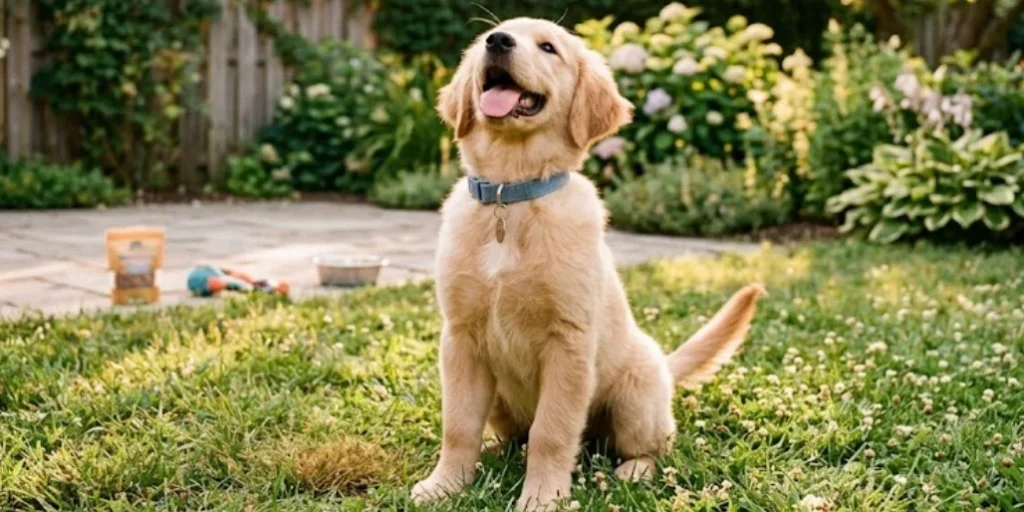
Bringing a Golden Retriever puppy into your home is an exciting adventure, and proper training from an early age will ensure a harmonious relationship for years to come. This guide will walk you through essential Golden Retriever puppy training tips, from understanding their unique temperament to leveraging their natural instincts for successful learning.
Are Golden Retrievers easy to train?
Golden Retrievers are renowned for their trainability, often considered an easy first dog due to their eagerness to please and intelligent nature, making the dog training process a rewarding experience. Their inherent desire to work alongside their human companions, coupled with their intelligence, makes them highly receptive to obedience training, allowing new puppy owners to achieve significant progress quickly.
Understanding the breed’s temperament
The Golden Retriever’s temperament is a cornerstone of their trainability; they are inherently gentle, intelligent, and possess a strong people-pleasing drive, which simplifies dog training for Golden Retriever puppies. This breed typically exhibits high levels of patience and a friendly disposition, meaning they respond well to consistent, positive reinforcement rather than harsh methods, making training for Golden Retrievers a joy.
Training basics for Golden Retriever puppies
Starting early with Golden Retriever puppy training is crucial, focusing on foundational behaviors like name recognition, sit, stay, and come. Establishing a consistent training routine that incorporates short, frequent training sessions will help your puppy absorb information without becoming overwhelmed, ensuring a solid base for future obedience training. Potty training and crate training should also commence immediately when you take your puppy home.
Positive reinforcement techniques
Positive reinforcement is the most effective approach for training a Golden Retriever, leveraging their natural desire to please and their sensitivity. Rewarding desired behaviors with treats, praise, or toys strengthens the association between the action and a positive outcome, encouraging your pup to repeat those behaviors and fostering a strong bond during every training session.
Why food motivation makes training simple
Golden Retrievers are typically highly food motivated, a trait that significantly simplifies the training process and makes them an excellent breed for beginners. This strong food motivation means that treats can be incredibly effective tools for shaping behavior, making your training sessions engaging and productive, even for complex commands, and aiding in swift progress.
Using treats effectively
To use treats effectively in Golden Retriever training, offer them immediately after your puppy performs the desired action, ensuring they connect the treat with their good behavior. Varying the types of treats can keep your pup engaged, and gradually phasing them out as the behavior becomes consistent is important, replacing them with praise or play, which will train your Golden Retriever to respond to other rewards.
Establishing a training routine
Establishing a consistent training routine is vital for all Golden Retriever puppies, utilizing their food motivation within structured short sessions throughout the day. This routine should include specific times for training, feeding, potty breaks, and play, helping your pup understand expectations and reducing anxiety, which in turn makes each training session more productive and reinforces good habits.
Balancing treats and meals
While treats are powerful motivators for Golden Retriever puppy training, it’s crucial to balance them with your dog’s regular meals to avoid overfeeding and maintain their appetite for actual food. You can incorporate a portion of their daily kibble into training sessions as rewards, or adjust meal sizes to account for the calories consumed during training, ensuring a healthy weight for your pup.
Managing mouthiness and puppy biting
Even with their gentle nature, Golden Retriever puppies often go through a phase of mouthiness and puppy biting, which can be challenging but is a normal part of their development. Understanding why your Golden Retriever puppy bites and implementing effective strategies can help you manage this behavior and teach your pup appropriate bite inhibition, ensuring a well-mannered adult dog.
Common causes of mouthiness
Mouthiness in Golden Retriever puppies stems from various factors, including exploration, teething, and a lack of understanding about appropriate play with humans. Puppies naturally use their mouths to investigate their surroundings, and during teething, biting can provide relief for their sore gums. It’s also how they interact with their littermates, and they need to learn that human skin is more sensitive than a fur coat.
Techniques to curb biting
To curb biting, consistent Golden Retriever puppy training is essential, focusing on redirection and teaching bite inhibition. When your puppy bites too hard, yelp loudly to mimic a littermate’s reaction, then immediately withdraw attention by turning away or leaving the room for a short period. This teaches your pup that hard biting ends play, encouraging softer mouthing and eventually no biting at all. Providing appropriate chew toys is also crucial.
Providing appropriate chew toys
Providing a variety of appropriate chew toys is a vital part of managing puppy biting and mouthiness in your Golden Retriever puppy. Always have suitable chew items readily available and redirect your pup to these toys whenever they start to mouth or bite you. This teaches them what they are allowed to chew on, fulfilling their natural urge to gnaw and protecting your hands and furniture.
Golden Retriever puppy training milestones
Navigating the various stages of development is crucial for successful Golden Retriever puppy training, with specific milestones marking progress in their learning journey. Establishing clear goals and celebrating achievements along the way will keep both you and your pup motivated, ensuring a well-rounded and obedient adult dog.
Key skills for early training
For early Golden Retriever puppy training, focus on foundational skills such as name recognition, sit, stay, and a reliable recall. These basic commands are not only crucial for obedience but also form the bedrock for more advanced training and safety, especially when your pup is off leash. Consistent, short training sessions are key to mastering these initial steps and making them second nature.
Socialization milestones
Socialization is a critical milestone for Golden Retriever puppies, shaping their temperament and ensuring they grow into confident, friendly adult dogs. Exposing your puppy to a variety of sights, sounds, people, and other vaccinated dogs in a positive and controlled manner before they are 16 weeks old is paramount. Positive experiences during this period help prevent fear and aggression issues later in life, making your pup a joy to be around.
Obedience training progression
As your Golden Retriever puppy matures, obedience training should progressively advance from basic commands to more complex behaviors and real-world scenarios. Once foundational cues are solid, introduce distractions to proof their understanding, and gradually work on skills like loose leash walking, polite greetings, and staying calm in new environments. Consistent practice and positive reinforcement will ensure your Golden Retriever’s obedience continues to strengthen.
Common training mistakes even with an easy breed
Even though Golden Retrievers are often considered an easy first dog and excel in dog training, even experienced owners can fall victim to common mistakes that hinder progress. Understanding these pitfalls can help you avoid them, ensuring your Golden Retriever puppy receives the best possible start and develops into a well-behaved adult dog. Consistency, thoughtful socialization, and adequate mental stimulation are crucial for success in Golden Retriever puppy training.
Inconsistent commands and signals
One of the most frequent training mistakes is inconsistency in commands and signals, which can confuse your Golden Retriever puppy and slow down the learning process. If one family member uses “sit” and another uses “down” for the same action, or if hand signals vary, your pup won’t understand what is expected. This lack of clarity can undermine even the most diligent obedience training efforts, making it harder to train a Golden Retriever effectively.
Neglecting socialization
Neglecting proper socialization is another critical error that can have long-lasting negative impacts on your Golden Retriever puppy, despite the breed’s naturally friendly disposition. While Golden Retrievers are generally good-natured, insufficient exposure to various environments, people, and other vaccinated dogs during their crucial developmental window (before 16 weeks) can lead to fear, anxiety, or reactivity. Comprehensive socialization is just as important as obedience training for a well-adjusted adult dog.
Overlooking mental stimulation
Overlooking the need for adequate mental stimulation is a common oversight, particularly for an intelligent breed like the Golden Retriever. These pups thrive on having a “job” and can become bored or destructive if their minds aren’t challenged. Simply providing physical exercise isn’t enough; incorporating puzzle toys, scent work, and varied training sessions into your routine will keep your Golden Retriever engaged and prevent behavioral issues from developing, enhancing their overall well-being.
Channeling retrieving instinct into training games
The Golden Retriever’s innate retrieving instinct is a powerful natural advantage that can be brilliantly channeled into dog training, making sessions more enjoyable and effective for both you and your pup. By integrating this strong desire to fetch and carry into training games, you can reinforce commands, improve focus, and build a stronger bond with your Golden Retriever puppy, all while having fun. This approach transforms training into an exciting activity rather than a chore.
Fun games to enhance retrieval skills
To enhance your Golden Retriever puppy’s retrieval skills, incorporate fun games like “fetch and drop” or hide-and-seek with their favorite toy. Start in a quiet area, encouraging them to bring the toy back and gently release it into your hand using a “drop it” command, then reward immediately with praise or a treat. These games not only strengthen their natural instinct but also build valuable communication and obedience skills during each training session.
Incorporating play into training
Incorporating play into your Golden Retriever puppy training sessions is an excellent way to keep your pup engaged, motivated, and responsive, especially for this playful breed. After a few repetitions of a command, take a short break for a quick game of tug or fetch. This positive reinforcement, through play, makes training feel less like work and more like an enjoyable interaction, strengthening your bond and making your pup eager for the next training session.
Using toys to motivate training
Leveraging toys as a primary motivator can significantly boost your Golden Retriever puppy’s engagement during obedience training, especially if they are not solely food motivated. Use their favorite squeaky toy or ball as a reward for successfully completing a command, immediately after they perform the desired action. This positive association helps your pup understand that good behavior leads to fun outcomes, making them more enthusiastic about learning and more focused during training.
More Than a Golden Thing: It’s a Sporting Breed Thing
The food motivation, the retrieving drive, the eagerness to please, These traits run through the whole sporting group, not just Goldens. Sporting Breed Training covers how other retrievers and gun dogs stack up.
FAQ
Are Golden Retrievers good for first-time dog owners?
Yes, Golden Retrievers are widely regarded as an excellent choice for first-time dog owners due to their eager-to-please nature, intelligence, and trainability. Their patient and gentle temperament, combined with their strong desire to bond with their human family, makes them relatively easy to train compared to many other breeds. While all puppies require dedication, Golden Retrievers are often considered an easy first dog because they respond well to positive reinforcement and are less prone to stubbornness.
Why does my Golden Retriever puppy bite so much?
Your Golden Retriever puppy bites so much because it’s a natural part of their development, particularly during the teething phase and as they explore their world. Puppies use their mouths to investigate objects and interact with their littermates. As they grow, they need to learn bite inhibition – how much pressure they can exert with their jaws. Consistent Golden Retriever puppy training, redirection to appropriate chew toys, and teaching them that biting humans ends playtime are crucial steps to manage this behavior.
At what age should Golden Retriever training start?
Golden Retriever training should ideally start as soon as you bring your puppy home, typically around 8-10 weeks of age. Early puppy training focuses on crucial basics like name recognition, potty training, crate training, and basic commands such as sit, stay, and come. The earlier you begin, the more effectively you can leverage their impressionable young minds for socialization and foundational obedience, setting your Golden Retriever puppy up for success as a well-behaved adult dog.