Training a German Shepherd puppy can be an incredibly rewarding experience, transforming a playful furball into a well-behaved and loyal companion. This guide will walk you through the essentials of German Shepherd training, ensuring you build a strong foundation for your intelligent GSD.
Are German Shepherds easy to train?
German Shepherds are renowned for their intelligence and eagerness to please, making them generally easy to train for owners who understand their unique needs. Their inherent work ethic and desire for a purpose mean they thrive on mental stimulation and respond well to consistent guidance.
Understanding the German Shepherd temperament
The German Shepherd temperament is a key factor in their trainability. These dogs are highly intelligent, confident, and possess a strong protective instinct, making them exceptional working dogs. Understanding these traits helps you tailor your dog training approach to harness their natural abilities effectively.
Factors influencing trainability
Several factors influence how easily you can train a German Shepherd puppy, including genetics, early socialization, and the trainer’s consistency. A purebred German Shepherd from a reputable breeder often has a more predictable temperament, aiding the training process significantly. Your commitment to regular training sessions also plays a crucial role.
Comparing German Shepherds with other breeds
When comparing German Shepherds with other breeds, their distinct intelligence and drive for work often put them ahead in terms of trainability. While some breeds might be more laid-back, the GSD’s sharp mind requires engaging tasks and consistent obedience training to prevent boredom and potential behavioral issues like reactivity or anxiety.
German Shepherd puppy training essentials
Embarking on German Shepherd puppy training is an exciting journey that sets the stage for a lifetime of good behavior. Focusing on foundational skills early will help your dog develop into a confident and well-adjusted companion, ready for more advanced tasks like agility training.
Starting puppy training early
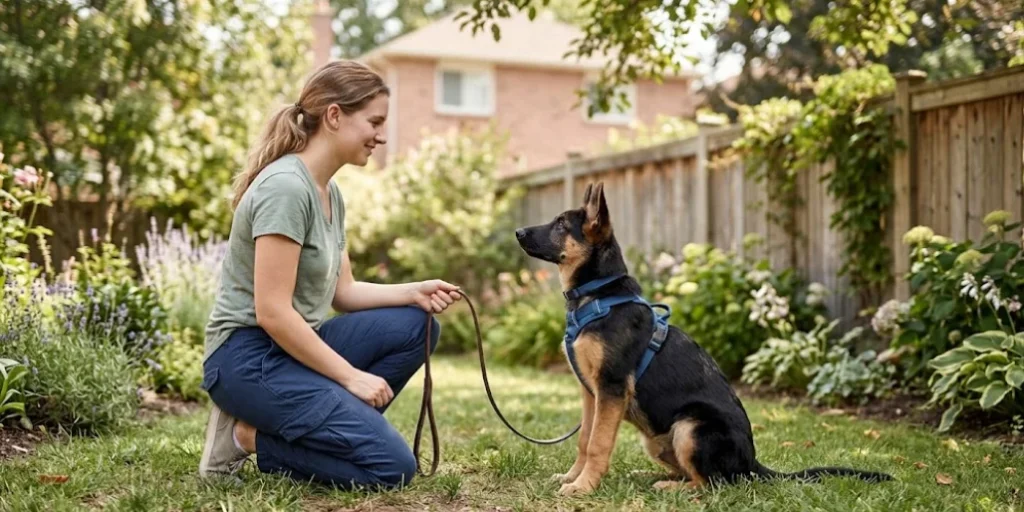
Starting puppy training early is paramount for a German Shepherd puppy. Ideally, you should begin training and socialization as soon as your GSD puppy comes home. This early start helps to prevent common issues like separation anxiety and establishes you as the leader, making future training sessions much more productive.
Essential commands for German Shepherd puppies
Teaching essential commands like “sit,” “down,” and “stay” is fundamental to training a German Shepherd. Use positive reinforcement methods, rewarding your puppy with treats and praise for correct responses. These basic commands not only build a solid foundation but also strengthen your bond with your German Shepherd dog.
Importance of consistency in training
Consistency in training cannot be overstated when you train a German Shepherd. Regular, short training sessions several times a day are more effective than infrequent, long ones. This consistent approach helps your German Shepherd puppy understand expectations, reinforcing good habits and aiding in the dog’s progress toward becoming a well-behaved adult.
Socialization to prevent anxiety and reactivity
For a German Shepherd, early socialization is absolutely crucial to prevent issues like anxiety and reactivity. Exposing your GSD puppy to a variety of sights, sounds, people, and other well-behaved dogs during their formative weeks will build their confidence and help them develop a stable temperament, which is essential for a well-adjusted German Shepherd dog.
Critical socialization periods for puppies
The critical socialization periods for a German Shepherd puppy occur between 3 and 16 weeks of age. During this window, your puppy is most receptive to new experiences, and positive exposure during this time is vital for their development. It’s when you can lay the groundwork to train your German Shepherd to be comfortable and confident in diverse environments.
Techniques for effective socialization
Effective socialization involves controlled and positive exposures. Introduce your German Shepherd puppy to various environments, ensuring each experience is positive. Reward calm behavior with treats and praise, gradually increasing exposure to new stimuli. This consistent positive reinforcement during puppy training helps to teach your dog that new things are not to be feared.
Signs of anxiety and reactivity
Recognizing signs of anxiety and reactivity early is important for any German Shepherd owner. These can manifest as excessive barking, lunging, tail tucking, or avoidance behaviors when encountering new people, dogs, or situations. Addressing these signs promptly with professional dog training can help prevent them from escalating into more serious problems.
Obedience training milestones by age
Obedience training is a lifelong journey with a German Shepherd, but understanding key milestones by age can help you gauge your GSD’s progress. Celebrating each achievement, no matter how small, reinforces positive behavior and motivates both you and your German Shepherd puppy to continue learning and growing together.
Puppy training milestones from 8 weeks to 6 months
From 8 weeks to 6 months, your German Shepherd puppy should master basic commands like “sit,” “down,” “stay,” and come when called. Successful crate training and house-training are also crucial milestones. Consistent puppy training with positive reinforcement during this period will build a strong foundation for future learning and a well-behaved German Shepherd dog.
Advanced obedience training from 6 months onwards
From 6 months onwards, your German Shepherd is ready for advanced obedience training. This can include more complex commands, off-leash work, and even dog sports like agility training or scent work, which provide essential mental stimulation. Continuing to train your German Shepherd through these stages helps to refine their skills and deepen your bond.
Tracking progress and adjusting training methods
Tracking your German Shepherd’s progress in obedience training is vital. Keep a log of their achievements and challenges, and be prepared to adjust your training methods if something isn’t working. Every German Shepherd dog is an individual, and a flexible approach ensures that you continue to effectively teach your dog, helping them reach their full potential.
Common German Shepherd training problems
Even with a highly intelligent breed like the German Shepherd, training problems can arise. Understanding these common challenges and knowing how to address them effectively is key to a harmonious relationship with your GSD. Patience and consistent dog training are your best allies in overcoming these hurdles.
Addressing separation anxiety
Separation anxiety is a common issue for German Shepherds, often stemming from their strong bond with their owners. Crate training can be an effective tool, teaching your German Shepherd puppy that their crate is a safe den. Gradually increasing the time you leave them alone, coupled with leaving engaging toys, can help your dog cope.
Dealing with stubbornness and disobedience
Stubbornness and disobedience in a German Shepherd can often be a sign they are testing boundaries or lack sufficient mental stimulation. Consistent rules, clear expectations, and engaging training sessions are crucial. Reaffirm your leadership gently but firmly, using positive reinforcement to encourage your GSD to comply with commands.
Understanding and correcting reactivity
Reactivity in a German Shepherd, whether towards other dogs or strangers, often stems from a lack of early socialization or underlying anxiety. To correct it, identify triggers and practice desensitization and counter-conditioning. A professional dog trainer can provide tailored strategies to help your dog learn to react calmly in challenging situations, ultimately improving their temperament.
Channeling protective instinct appropriately
Recognizing the protective nature of German Shepherds
German Shepherds are renowned for their protective instinct, a deeply ingrained trait that makes them excellent guard dogs and loyal family protectors. This inherent desire to protect their loved ones stems from their intelligence and their strong bond with their human companions. Understanding this aspect of the German Shepherd temperament is crucial when you train a German Shepherd, allowing you to harness it positively.
Training for protective behaviors
Training for protective behaviors means guiding your German Shepherd puppy to understand appropriate protective responses. This isn’t about encouraging aggression, but rather teaching your German Shepherd dog when and how to be vigilant. Consistent obedience training, combined with extensive socialization, will help your dog distinguish between real threats and everyday occurrences, ensuring a balanced response.
Ensuring a balanced temperament
Ensuring a balanced temperament in your GSD means channeling their protective instinct responsibly. A highly intelligent German Shepherd should be confident, not fearful or overly reactive. Continued puppy training, including exposure to various environments and people, helps build a well-adjusted German Shepherd dog. This balance ensures your dog is a protector without becoming a liability.
How much exercise and mental work is needed?
Physical exercise requirements for German Shepherds
German Shepherds are an active breed and require significant physical exercise to stay healthy and happy. Daily vigorous activity, such as long walks, runs, or engaging in dog sports like agility training, is crucial. This physical exertion helps burn off excess energy, preventing destructive behaviors and contributing to a well-behaved German Shepherd dog.
Mental stimulation activities
Beyond physical exercise, mental stimulation is equally vital for a highly intelligent German Shepherd. Activities like puzzle toys, scent work, and learning new commands provide essential mental workouts. Incorporating these into your German Shepherd training routine prevents boredom, reduces the likelihood of anxiety, and keeps your GSD engaged and satisfied.
Creating a balanced routine for your puppy
Creating a balanced routine for your German Shepherd puppy involves a mix of physical exercise, mental stimulation, and rest. Consistent training sessions, playtime, and structured downtime are key. This balanced approach helps to teach your dog appropriate behavior and supports their overall development, ensuring you train a German Shepherd that is both physically and mentally sound.
German Shepherds Share More Than You’d Think
The drive, the intelligence, the need for structure — a German Shepherd has a lot in common with other herding breeds, even outside classic herding lines. For that wider context, check out Herding Breed Training.
FAQ
At what age should you start training a German Shepherd?
You should start training a German Shepherd puppy as soon as they come home, typically around 8 weeks old. Early puppy training, including basic commands and socialization, is critical for shaping their temperament and preventing future issues. The sooner you begin, the more effectively you can teach your dog good habits.
Why is my German Shepherd anxious or reactive?
Anxiety and reactivity in a German Shepherd often stem from insufficient early socialization, lack of confidence, or an absence of consistent leadership during their puppy training. Identifying triggers and working with a professional dog trainer can help your dog overcome these challenges. Consistent positive reinforcement and continued training sessions are key to addressing these behaviors.
Are German Shepherds good for first-time dog owners?
While German Shepherds are highly intelligent and trainable, they are generally not recommended for first-time dog owners due to their strong protective instinct, high energy levels, and need for consistent training and socialization. An experienced owner who can provide firm, consistent leadership and meet their needs for mental stimulation is usually better suited to train a German Shepherd.