If you want to train your dachshund successfully, you need to start by understanding that this stubborn sausage dog breed requires a mix of patience, high-value treats, and consistency from every dedicated owner. Because these little pups have a strong hunting background and a mind of their own, each training session should be short, engaging, and focused on positive reinforcement rather than harsh corrections.
Dachshund Training Basics
Understanding Dachshund Temperament
Every dachshund owner quickly learns about the unique dachshund temperament, which blends fierce loyalty with an independent streak and a tendency to follow their keen nose everywhere. When you train your dachshund, you are dealing with a clever dog that might ignore a command if it is not properly motivated by a tasty treat or enthusiastic praise during your daily routine.
Importance of Early Training
As you help your miniature doxie grow through those early months, you can ensure a great start by focusing on the following:
- Start house training and basic obedience when your puppy is around 8 weeks old, which sets the stage for lifelong good behavior and prevents stubborn habits from forming.
- Provide early socialization and gentle exposure to new sounds to stop fearfulness and build a strong bond between you and your new furry friend.
Choosing the Right Training Method
The best dachshund training approach relies entirely on positive reinforcement, rewarding your sausagelike companion with praise and treats every time they successfully follow a cue. Instead of getting frustrated with their natural quirks, you should tailor your everyday lessons to keep things fun, ensuring your dog stays interested and eager to learn new skills.
Essential Commands to Teach Your Dachshund
Basic Obedience Commands
When you want to teach your dachshund the basics, every expert advises starting with simple obedience commands. Since your stubborn little pup has short legs and a big personality, keep each training session brief and fun by focusing on these foundational steps:
- Practice basic commands like sit, stay, and come.
- Use a high-value treat as a reward to help capture your dog’s attention.
If you need more guidance on handling independent hounds, check out our helpful hound training guide for extra tips.
Advanced Commands for Your Doxie
Once your clever doxie masters the basics, you can challenge them with a fun trick or two, plus more reliable recall cues. Training your dog to roll over or spin adds mental stimulation to your everyday routine. Remember that consistency is key for dachshund owners. Praise every small win to shape good behavior, ensuring your furry friend stays eager to learn without feeling overwhelmed by complicated expectations during practice.
Using Positive Reinforcement Techniques
Positive reinforcement is the absolute best way to shape your dachshund dog into a well-mannered companion. Every time your sausage dog responds to a cue, shower them with praise and a delicious treat. Never rely on harsh punishment, because this specific breed shuts down quickly. Instead, adapt your approach with endless patience. If you want to calculate the ideal food portions for rewards, try using DogBreedCalc to keep your pet healthy.
Training Tips for Dachshund Owners
Every dachshund owner knows that living with this unique breed means dealing with stubbornness and a strong hunting nose. To help you train your dachshund effectively, keep each session short and engaging. Use plenty of high-value treats as a reward for every correct cue, and rely on expert advice to guide your daily routine.
Common Training Challenges
One major hurdle when training your dog involves overcoming their independent streak. A dachshund dog will often ignore a command if something more interesting catches their attention. As a dedicated owner, you must show endless patience, adapt your methods, and remain consistent so your clever pup learns to listen without getting frustrated during practice.
Socialization Tips for Dachshund Puppies
Introducing dachshund puppies to new sounds, people, and environments starting at 8 weeks old helps stop fearfulness later in life. Every miniature doxie needs gentle exposure during those early months to build confidence. This steady socialization shapes great behavior and strengthens the bond between you and your growing sausage dog.
Creating a Training Schedule
Establishing a predictable training schedule ensures your dog stays focused and eager to learn new skills. Whether you want to teach your dachshund a fun trick or master basic obedience, consistency is crucial. Tailor your everyday practice sessions around feeding and play times to keep your furry friend happy and responsive.
Resources for Dog Training
Finding a Professional Trainer
Sometimes you need extra help from a qualified professional trainer who understands the specific temperament of this sausage dog breed. Look for someone who uses positive reinforcement techniques rather than harsh corrections. A good trainer can offer personalized advice and practical tips to address stubborn habits and improve your overall experience.
Recommended Training Tools and Supplies
Having the right supplies makes teaching your dog much easier. Using proper tools during every session ensures safety and helps your pet stay focused on learning new cues and commands.
Here are the recommended supplies for your training sessions:
| Supply | Purpose |
| Tiny, delicious treats | Used during training |
| Comfortable harness | Protects their delicate back |
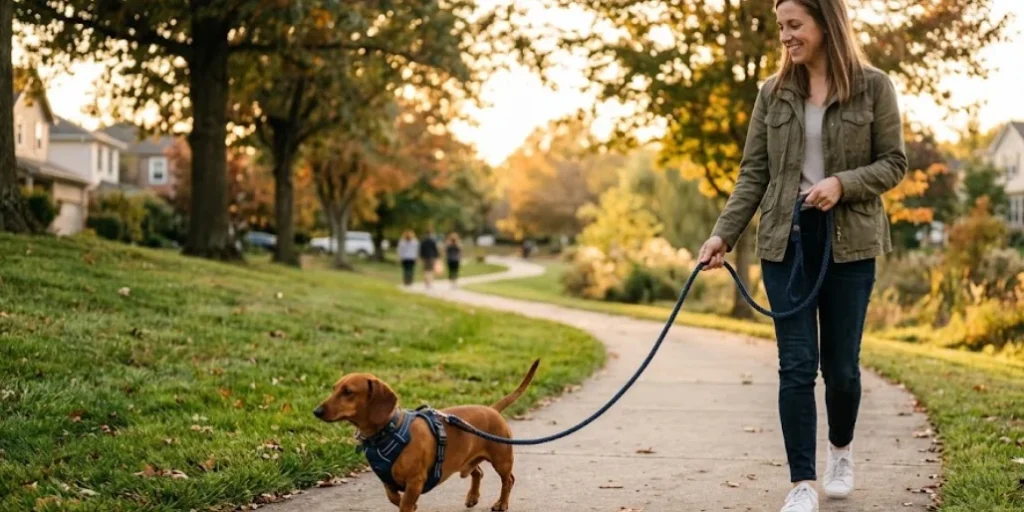
| Sturdy leash | For outdoor practice |
Linking to Hound Training Resources
Exploring additional educational materials can greatly improve your success. If you want to learn more about managing hound breeds, you can check out DogBreedCalc for helpful insights and calculators that make caring for your pet even easier.
FAQ
Q: When should I start to train your dachshund puppy?
A: You can start basic training as soon as you bring your new pup home, usually around 8 weeks to 2 months old. Since they are super intelligent, early socialization and setting house rules right away will help them become a calmer adult dog.
Q: What is the best step-by-step approach for dachshund potty training?
A: Successful potty training requires a strict routine because these little dogs can be quite stubborn. Take your pup outside first thing in the morning, after every meal, and after naps, and always reward success immediately with a tasty treat like boiled chicken.
Q: How do I handle my dachshund’s high prey drive during outdoor walks?
A: Because these dogs were originally bred to hunt badgers, their natural curiosity and prey drive are off the charts. Always keep them on a leash, and use high-value treats to redirect their attention whenever a squirrel or bird causes a distraction.
Q: Are there any good online resources or channels to watch to train your dachshund?
A: Yes, searching for positive reinforcement tutorials on YouTube can give you great visual examples of how to teach basic commands. Just make sure the trainers you follow use gentle methods rather than harsh corrections.
Q: What is the best way to coach my stubborn dachshund to come when called?
A: To successfully coach your stubborn little buddy, start in a quiet indoor hallway with zero distractions and use an enthusiastic verbal cue. Practice for just a few minutes every day, gradually increasing the difficulty as they get better at listening.
Q: Why is proper nutrition so important while I train your dachshund?
A: Good nutrition fuels your dog’s brain and keeps their energy levels stable during learning sessions. Using healthy, bite-sized training treats also prevents them from gaining extra weight, which is crucial for protecting their long backs.
Q: How can I protect my dog from IVDD while we practice tricks?
A: Dachshunds are prone to Intervertebral Disc Disease, so you must always protect their backs during activities. Avoid letting your pup jump on and off high couches or beds, and keep your training sessions low to the ground.