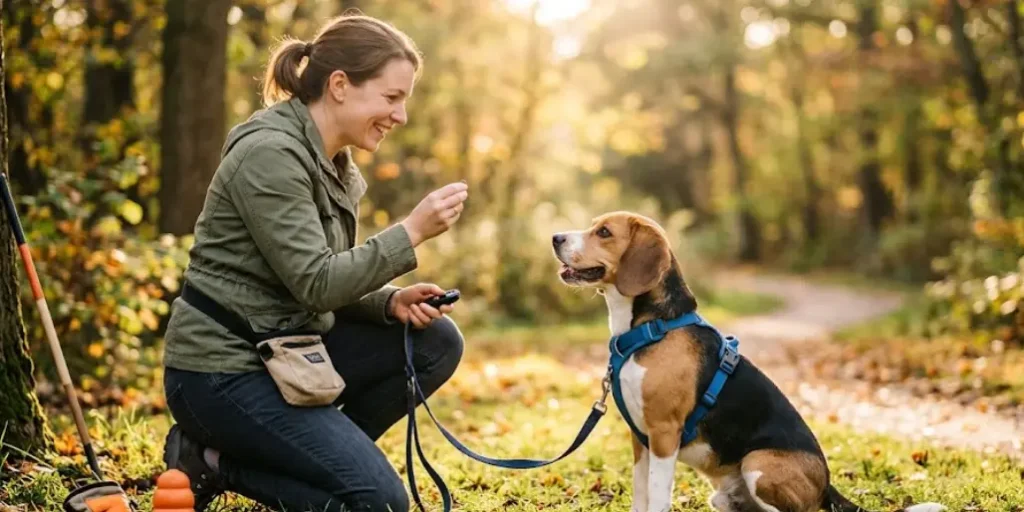
If you want to know how to train a beagle successfully, you need to start early, use positive reinforcement, and keep sessions short to manage their stubborn streak and high prey drive. When you train a beagle, consistency is everything, especially since every beagle puppy loves to follow scents wherever they go during a typical walk on a leash.
Understanding Your Beagle
Characteristics of Beagle Puppies
Every energetic beagle puppy comes with an incredible nose and an independent spirit that can sometimes make them feel less than easy to train for beginners. As a classic hunting dog, your young hound will constantly sniff the ground, meaning you should always keep a close eye when you take your beagle outside to explore the neighborhood.
Why Beagle Owners Need to Train
Dedicated beagle owners quickly realize that without proper guidance, these clever dogs can become mischievous escape artists who ignore basic commands completely. When you want to train your dog for good manners, incorporating fun training sessions helps burn off stubborn energy so your furry friend stays happy and well-behaved indoors.
Common Misconceptions About Beagle Training
Many people falsely assume that this breed is impossible to manage, but the truth is that you can successfully teach your dog new skills using high-value treats and patience. Whether you need to house train or simply teach your beagle how to behave politely around guests, starting early ensures your companion grows into a joyful family pet.
Getting Started with Training
When to Start Training Your Beagle Puppy
If you want to know when you should begin, the best approach is to start training as early as possible once your puppy settles into your home around 8 weeks of age. Early training helps shape good habits right away, so you can easily teach your beagle puppy how to behave before stubborn behaviors take root. When you bring your beagle home, keep lessons brief and fun, ensuring you use positive reinforcement to build confidence and trust with your growing hound every single day.
Essential Equipment for Training Sessions
To set yourself up for success during training sessions, you will need a few basic supplies. Every beagle puppy loves to explore, so having the right gear makes it much safer when you take your beagle outside for practice. Professional dog owners and every experienced dog trainer will tell you that having high-value rewards ready helps you treat immediately when your dog follows a cue correctly.
| Training Item | Purpose |
| Comfortable crate and standard leash | Basic supplies for training and safer outdoor practice |
| High-value treats | To reward good behavior and treat immediately when a cue is followed correctly |
Creating a Training Schedule
Consistency is key when you want to train a beagle, so setting up a predictable daily schedule works wonders for teaching basic commands and helping you successfully house train your new pet. Because a typical beagle needs plenty of mental stimulation and physical activity, make sure to exercise your beagle regularly before sitting down for focused obedience work. If you ever need more advanced tips on managing stubborn behavior, you can check out our guide on hound training for extra ideas.
Effective Training Techniques
Positive Reinforcement Strategies
When you want to train a beagle using positive reinforcement, you should always reward good choices right away during your daily training sessions. Every beagle puppy responds wonderfully when you give your beagle a delicious treat immediately after they complete a task correctly. Because this hunting dog can easily get distracted by interesting outdoor scents, keeping lessons upbeat ensures your dog learns faster without losing focus.
Basic Commands Every Beagle Should Know
Teaching basic commands is essential for every pet owner who wants to train a beagle to stay safe around the neighborhood. Whether you need your dog to learn essential behaviors, consistent practice helps your beagle puppy master these crucial skills. For example, you can focus on:
- Teaching your dog to sit
- Practicing staying put
- Training your hound to come when called
Professional dog trainers always recommend keeping sessions short and rewarding your hound consistently so that your stubborn companion actually enjoys learning.
How to Train Recall with Your Beagle
Reliable recall is one of the hardest things to master because an excited beagle puppy would rather sniff interesting tracks than return to you. To successfully train a beagle to come back, start in a fenced yard before letting your beagle outside in wide-open spaces. Always use high-value rewards to entice your dog so they learn that coming back to you is always the best possible choice.
Advanced Training Tips
Off-lead Training for Your Beagle
Achieving off-lead reliability takes a tremendous amount of patience because this independent breed loves to wander off and follow fascinating trails. Before you ever consider letting your dog run free, make sure your recall cue is completely bulletproof in controlled environments. Many beagle owners struggle with this phase, but practicing in secure areas helps protect your adventurous hound from running into danger.
Exercising Your Beagle Effectively
A tired dog is a well-behaved dog, so you must regularly exercise your beagle to burn off their endless supply of natural energy. Whether you take your beagle for a brisk walk on a leash or play interactive games in the yard, physical activity prevents boredom and destructive chewing. Every beagle needs proper outlets for their stamina so they remain calm and relaxed inside the family home.
Special Considerations for Beagle Owners
Living with this scent-driven breed means understanding their unique quirks and never expecting perfection right away from your furry friend. As you continue to train your beagle throughout their life, maintaining a patient attitude will strengthen your bond and prevent frustration. For personalized guidance and comprehensive behavioral strategies tailored to your pet, be sure to visit DogBreedCalc to find more expert tips.
Maintaining Training Progress
Assessing Your Beagle’s Training Needs
Whenever you want to train a beagle, regularly evaluating your progress ensures your beagle puppy stays on the right track as they grow. Every dog’s learning curve is unique, especially for an active hunting dog that loves to sniff every interesting scent during a walk on a leash. Professional dog trainers often advise beagle owners to review basic commands frequently, making sure positive reinforcement remains a core part of daily training sessions to keep your furry companion motivated and eager to learn.
Dealing with Training Challenges
Dealing with stubborn streaks requires immense patience, especially if your independent beagle puppy decides to ignore you and sniff the grass instead of listening. When you train your dog, setbacks happen, but staying consistent with reinforcement helps overcome bad habits. Whether you need to house train a stubborn adolescent or simply teach your beagle better manners around guests, keeping a crate nearby for calm downtime and sticking to a routine ensures your beagle needs fewer corrections over time.
Continuing Education for Every Dog
Lifelong learning is crucial because a smart hound always benefits from mental stimulation well beyond the initial puppy stage. As you continue to train your beagle through adulthood, introducing new challenges keeps their sharp minds occupied. You can read our previous insights on hound training to gather fresh ideas. Whether you want to practice off-lead reliability or teach your dog fun new tricks, maintaining an active lifestyle helps exercise your beagle and strengthens your wonderful bond.
Conclusion
Final Thoughts on Training Your Beagle
Raising a well-behaved pet takes dedication, but the rewarding journey of watching your beagle puppy grow into a polite adult makes every effort completely worthwhile. By using positive reinforcement and keeping your expectations realistic, you can easily manage any stubborn streak. Remember to start training early, practice basic commands daily, and always give your beagle plenty of praise and love whenever they make the right choices during your obedience journey together.
Resources for Beagle Owners
Finding the right tools and expert advice makes all the difference when you want to train a beagle successfully at home. Being well-prepared sets you up for lasting success with the help of the following essentials:
| Training Categories | Examples & Resources |
| Physical Supplies | Reliable leashes, sturdy crates, and high-value treats |
| Expert Advice & Guidance | Community forums, professional dog trainers, and helpful books |
Exploring these resources helps discover new techniques that keep your intelligent hound mentally stimulated, happy, and well-adjusted throughout every stage of life.
Check Out Our Hound Training Guide
If you are looking for even more advanced strategies to help you train your dog, be sure to check out our complete hound training guide for additional expert tips and actionable advice. DogBreedCalc is here to help you navigate every single question you might have about your beloved pet.
FAQ
Q: Are beagles easy to train?
A: Honestly, it’s a mixed bag. Beagles are super smart and food-motivated, which helps a ton, but they’re also easily distracted by every smell in a five-mile radius. So while they’re not impossible, some people do find them difficult to train compared to other working dogs who live to please their humans. A beagle would rather sniff a trail than listen to you half the time, lol.
Q: What does a beagle need in terms of training basics?
A: A beagle needs consistency, a lot of patience, and tasty treats on hand at all times. These dogs respond really well to positive reinforcement, so if you give a treat immediately after they do something right, they start connecting the dots way faster. Skip the harsh corrections, they just don’t work well with this breed.
Q: When should I start teaching my beagle basic commands?
A: You can start as early as 8 weeks old with simple stuff like sit and their name. Don’t wait until your pup is fully grown, early socialization and basic training make a huge difference later on. The earlier you start, the easier the whole process becomes down the road.
Q: My beagle is 3 months old, is that too late to start?
A: Nope, not at all! 3 months old is actually a great age to ramp up regular training sessions since your pup has a bit more focus and understanding by then. Keep sessions short though, maybe 5-10 minutes at a time, because beagles get bored fast.
Q: How do I house train a beagle puppy?
A: Take your dog outside frequently, especially right after naps and about 10-15 minutes after each meal. Beagle puppies tend to pee pretty soon after eating, so timing is everything here. Praise and treat immediately when they go outside, and be ready for some accidents indoors while they learn.
Q: How long does it take to fully train a beagle?
A: It really depends on the dog, but most people see solid basic obedience within a few months of regular training. Full reliability, especially with recall, can take six months to a year because beagles can be stubborn and easily distracted by scents. Just stay consistent and don’t give up.
Q: Does training differ for a beagle mix?
A: Not really, the core principles stay the same no matter what. A beagle mix might show different intensity levels in that stubbornness or energy depending on what breed is mixed in, but treats, patience, and consistency still work great across the board.
Q: Will my beagle always come back when called?
A: This is honestly the trickiest part of beagle training. Because they were originally bred as hunting dogs with an insane nose, they can get distracted and even wander off if something smells interesting enough. Never trust a beagle off-leash in an open area until recall is rock solid, and even then, keep your dog on a leash in unfenced spaces just to be safe. Too many owners have a sad story about how their beagle got away chasing a scent.
Q: Do beagles get along well with other dogs during training?
A: Yes, generally beagles do well with other dogs since they were bred to work in packs back when people used to go out hunting with them. This pack mentality actually helps with training because they’re used to following a leader, so establishing yourself as that calm, confident leader early on makes a big difference.
Q: What’s the best way to start as soon as you bring your beagle home?
A: As soon as you bring your beagle home, start with simple name recognition and basic commands like sit and come. Keep playtime and training mixed together so your dog associates learning with fun rather than stress. Giving your dog small treats and praise consistently from day one sets the tone for everything that follows.