
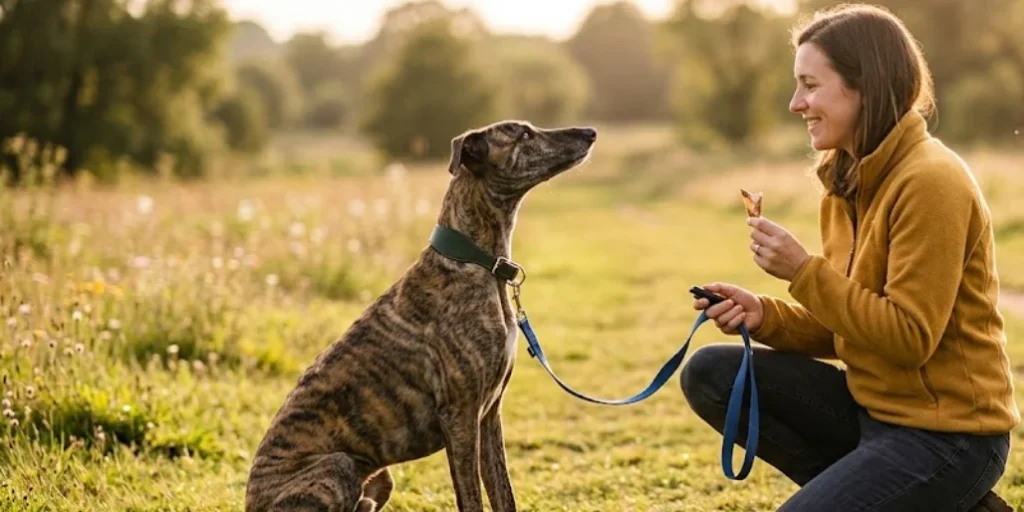
If you want to know how to handle these incredible dogs, the best way to start training your lurcher is by understanding their unique sighthound and terrier heritage, using positive reinforcement, and keeping their high prey drive in mind at all times. Lurchers are amazing running dogs that require plenty of patience, short daily practice sessions, and a gentle handler who knows how to manage a strong chase instinct while building a reliable bond.
Understanding the Lurcher Breed
Breed Characteristics
Every lurcher is a unique breed mix, usually combining a fast sighthound like a greyhound or whippet with a sturdy working dog such as a collie or terrier. Because of this genetic background, your new pup will likely possess incredible eyesight and astonishing speed. As a dedicated lurcher owner, you must remember that these dogs are built for sprinting, which means their physical traits heavily influence how they interact with the world and why they love to bolt after fast-moving objects.
Temperament of Lurchers
Despite their reputation as fast runners, the typical temperament of these dogs is surprisingly lazy when they are relaxing indoors. Once they have burned off their high energy, they turn into affectionate couch potatoes who just want to share the sofa with you. However, you should never forget their strong prey drive, as seeing a local cat or squirrel can instantly switch their mindset from a calm companion into a focused hunter in the blink of an eye.
Differences Between Puppies and Adults
Raising lurcher puppies is quite different from bringing home an older rescue lurcher, mainly because of the different developmental stages and needs involved. For instance:
- Babies need constant supervision, socialization, and careful handling to prevent bad habits from forming early.
- Adult dogs might come with established routines or past traumas that require a slower approach, though they often have longer attention spans for learning basic manners.
No matter their age, every pup needs mental stimulation and consistent rules to become a well-adjusted family member.
Training Lurcher Puppies
Basic Commands and Obedience
When you start working on obedience training with your new puppy, you will quickly notice how smart and eager to please this amazing breed mix can be. Teaching your dog basic commands requires plenty of patience, short daily training sessions, and a handful of tasty treats to use as a reward every time they get things right. Because every young pup has a strong prey drive, mastering a reliable recall is an absolute must before you let them run free in open spaces. If you want to dive deeper into general techniques that complement this process, you might find our guide on hound training quite useful. Always keep your sessions fun and upbeat so your furry companion stays focused and happy.
Socialization Techniques
Proper socialization is vital for ensuring your young sighthound grows up to be a confident and well-adjusted adult, whether you are dealing with a tiny puppy or an older rescue lurcher. You should introduce your dog to different people, friendly animals, and unusual noises slowly and carefully, making sure every new experience feels safe and positive. If your pup shows any nervous behavior, take a step back and use gentle reassurance rather than forcing the issue. Taking your dog to a well-run obedience class can also do wonders for their social skills, helping them learn how to stay calm around distractions without wanting to chase every moving object in sight.
Mental Stimulation Activities
Keeping a clever working dog mentally exhausted is just as important as giving them physical exercise, especially since these dogs love to use their incredible eyesight and problem-solving skills. You can easily keep your hound entertained indoors with several engaging activities:
- setting up fun training games and incorporating clicker training into your daily routine
- hiding treats around the house
- giving them durable puzzle toys that challenge their brain
When your pup is mentally satisfied, they will happily curl up on the sofa next to you and snooze peacefully for hours.
Training Adult Lurchers
When you are training adult lurchers, you must approach the process with immense patience, understanding that an older dog might take a little longer to unlearn old habits compared to a young pup. Every adult lurcher has a unique background, and if you adopted a rescue lurcher, they might need extra time to feel completely safe and secure in your home. Keep your daily training sessions short, fun, and engaging so your clever hound stays focused without getting overwhelmed by too many expectations at once.
Adjusting Training Techniques
Adjusting your training techniques is essential because an adult dog requires a slightly different mindset than a bouncy puppy learning basic manners. Since your lurcher has a powerful prey drive and an instinct to chase fast-moving small animals, you should always practice your recall in a secure, fenced area before trusting them off the leash. Using positive reinforcement, high-value treats, and a clear command structure will help you build a trusting relationship with your companion, ensuring they respond well to you even when major outdoor distractions appear.
Addressing Behavioral Issues
Addressing challenging behavioral issues in mature dogs often requires identifying the root cause, whether it is boredom, anxiety, or their natural sighthound instincts taking over. If your adult lurcher tends to bolt or display intense reactivity when spotting wildlife, keeping them back on the lead during walks is a smart safety measure while you work on impulse control. Consistent positive reinforcement and professional guidance will help redirect that high energy into more acceptable outlets, preventing unwanted habits from taking permanent root.
Incorporating Exercise and Play
Incorporating regular exercise and engaging play into your daily routine is the ultimate secret to keeping your adult lurcher happy, healthy, and wonderfully calm indoors. Even though these dogs are famous for turning into affectionate couch potatoes who love dozing on the sofa, they still need a good sprint or a stimulating game of fetch to burn off steam. Mixing physical activity with fun puzzle toys and mental challenges will satisfy their working dog heritage, ensuring they remain well-adjusted and peaceful companions.
Grooming and Health Considerations
Grooming Needs of Lurchers
Taking care of your lurcher involves keeping their coat neat, checking their paw pads after every run, and making sure you brush their fur regularly to remove loose hair. Even though your affectionate companion usually has a short coat, a quick weekly groom keeps their skin healthy and lets you spot any ticks early. As a dedicated lurcher owner, establishing a calm routine for grooming helps your sighthound feel relaxed, turning a simple maintenance task into a wonderful bonding experience that keeps your working dog looking fantastic all year round.
Regular Vet Visits and Care
Scheduling routine checks with your trusted vet is essential for ensuring your clever lurcher stays in peak physical condition throughout every stage of life. Your veterinarian can monitor their weight, check their joints, and keep vaccinations up to date, which is especially important for an active greyhound or whippet mix. By taking your rescue lurcher or young pup for regular health evaluations, you can catch any minor issues before they become serious problems, guaranteeing your favorite dog lives a long, happy, and vibrant life by your side.
Signs of a Healthy Lurcher
Spotting the clear signs of a healthy lurcher means looking for specific physical and behavioral cues, such as:
- bright eyes, a shiny coat, and steady breathing
- plenty of enthusiasm when it is time for exercise
A well-adjusted companion will balance their natural high energy during outdoor adventures with peaceful resting times on the sofa when they are back indoors. When your hound maintains a good appetite, responds well to every command, and shows a balanced temperament without unnecessary anxiety, you can rest assured that your careful care routine is working brilliantly.
Conclusion
Final tips for successful lurcher training: be consistent and patient—short, regular sessions work best for this energetic, intelligent breed. Use positive reinforcement and reward-based methods to build trust and motivation, and combine obedience practice with plenty of physical exercise and mental stimulation to prevent boredom-driven behaviors. Socialize your lurcher early with people, other dogs and varied environments to promote calm, reliable responses; always practice recall and leash manners in low-distraction settings before advancing. Keep commands clear, predictable routines in place, and slowly raise difficulty to reinforce learning. If you encounter persistent issues like strong prey drive or anxiety, consult a professional trainer who understands sighthound traits to tailor a program that ensures safe, long-term success in your lurcher training.
Resources for Lurcher Owners
Lurcher training should start early and focus on positive reinforcement, consistent routines, and socialization to channel their strong prey drive and high energy into desirable behaviors. Use short, frequent sessions with treats, toys, and praise to teach basic commands like sit, recall, and loose-leash walking, while gradually exposing your lurcher to varied environments and other animals to build confidence and reliability. Incorporate regular off-leash exercise in secure areas, mental enrichment such as scent games and puzzle feeders, and controlled recall practice to manage chase instincts; patient, calm leadership and ongoing training will help create a well-mannered, balanced companion.
Explore Hound Training for Additional Insights
Wrapping up your journey with these incredible dogs means always relying on positive reinforcement, patience, and consistency to guide your furry friend toward great manners. Whether you are working with lurcher puppies or an older adult, remember that understanding their unique terrier and sighthound background makes all the difference in preventing unwanted behavior. For more brilliant advice, you can check out hound training to expand your knowledge base. Finally, to track your dog’s ideal weight and dietary needs, make sure to visit DogBreedCalc for helpful tools.
FAQ
Q: Are Lurchers easy to train, or is their sighthound side going to make it a nightmare?
A: Honestly, it depends on the dog, but most Lurchers are easy to train as long as you keep things interesting. They’re crossbreeds, often mixed with terriers or working breeds, so you get a bit of sighthound chill mixed with some extra brainpower. The trick is short, fun sessions because of course a bored Lurcher will just lose interest halfway through and wander off to stare at a wall. Keep it light, use rewards, and you’ll be surprised how quickly they pick things up.
Q: What’s the best way to train a Lurcher puppy from the start?
A: Early socialisation is honestly the most important thing you can do. Lurcher puppies need to meet lots of different people, dogs, and environments before they hit that fear period around 4 months old. Since they’re sighthounds originally bred to chase by sight, getting them comfortable around other dogs and other stimuli early on makes a massive difference later. Basic obedience, a long lead for outdoor practice, and lots of positive reinforcement are your best friends here.
Q: How do I get good recall with a sighthound mix like a Lurcher?
A: Good recall, let alone perfect recall, takes patience with any sighthound breed because their instinct to chase is incredibly strong. Start in a low-distraction area, use a long leash to practice, and reward like crazy every single time they come back to you. Games with a tug toy can help build engagement too, since it gives them something exciting to focus on besides that rabbit in the distance. Never expect 100% reliability off-lead in open spaces with wildlife around, it’s just not realistic for most sighthounds.
Q: Why does my Lurcher seem to ignore me when there’s something to chase?
A: This is just classic sighthound behaviour, not your dog being stubborn or badly trained. Lurchers were originally bred for hunting by sight, so when something moves fast, their brain basically switches to autopilot mode. It’s less about disobedience and more about instinct taking over. The best way to train around this is to build really strong engagement with you before you ever introduce distractions, and always use a long lead until you trust the behaviour completely.
Q: Do Lurchers bark a lot, and can training help with that?
A: Lurchers aren’t known for being big barkers, they’re actually pretty quiet compared to a lot of working breeds or terriers. If your Lurcher does bark excessively, it’s worth figuring out why first, boredom, anxiety, or lack of mental engagement are common culprits. Training can absolutely help here, teaching a “quiet” cue, redirecting their energy with puzzle toys, or more exercise often sorts it out.
Q: My Lurcher gets a bit reactive around other dogs, what should I do?
A: First off, don’t panic, reactive behaviour is pretty common and manageable with the right approach. Try to recognise the triggers, is it fear, overexcitement, or frustration? Working with a trainer who understands sighthound body language can really help you read your dog better and intervene before things escalate. Muzzle training, distance management, and gradual desensitisation around other dogs usually work well.
Q: Is there a specific course or program recommended for training Lurchers?
A: There’s no single “official” course just for Lurchers, but any force-free, reward-based obedience course will work great since these dogs respond so well to positive methods. Look for a trainer experienced with sighthounds specifically, as their trainability is a bit different from, say, terriers who are more food and toy driven across the board. Group classes also help massively with socialisation.
Q: How much mental engagement does a Lurcher actually need?
A: More than people expect, honestly. Despite their lazy-on-the-couch reputation, Lurchers need regular mental engagement to stay balanced and well-behaved. Scent work, puzzle feeders, trick training, all of that helps burn mental energy alongside the physical exercise. A bored Lurcher with no outlet can develop annoying habits just out of sheer under-stimulation.
Q: Should I consult a veterinarian before starting an intense training routine with my Lurcher?
A: Yeah, definitely a good idea, especially if you’re planning anything high-impact like agility or long-distance running. A quick veterinary check ensures there’s no underlying joint or health issue, which matters a lot for a breed built with that lean, athletic sighthound frame. Your vet can also give advice on age-appropriate exercise if you’re working with a puppy, since too much too soon can mess with their growing joints.