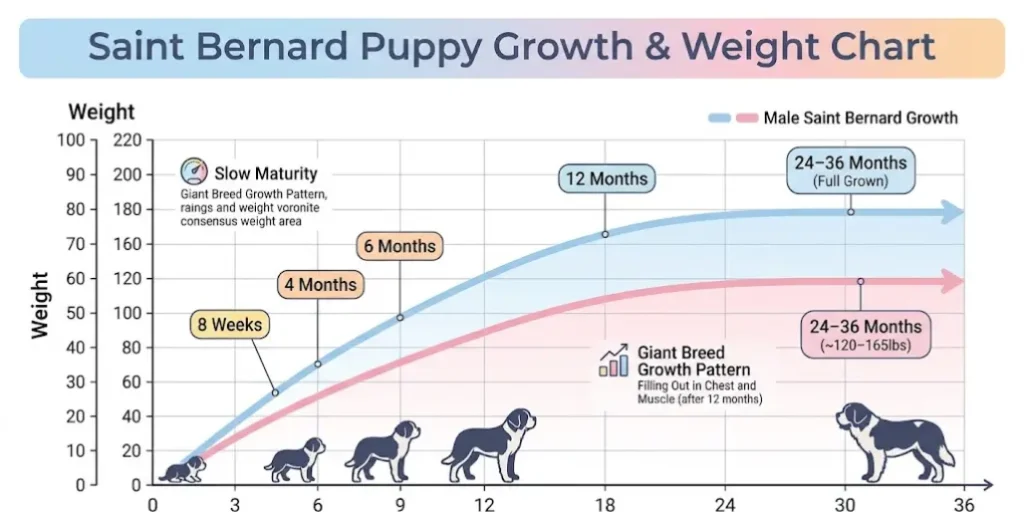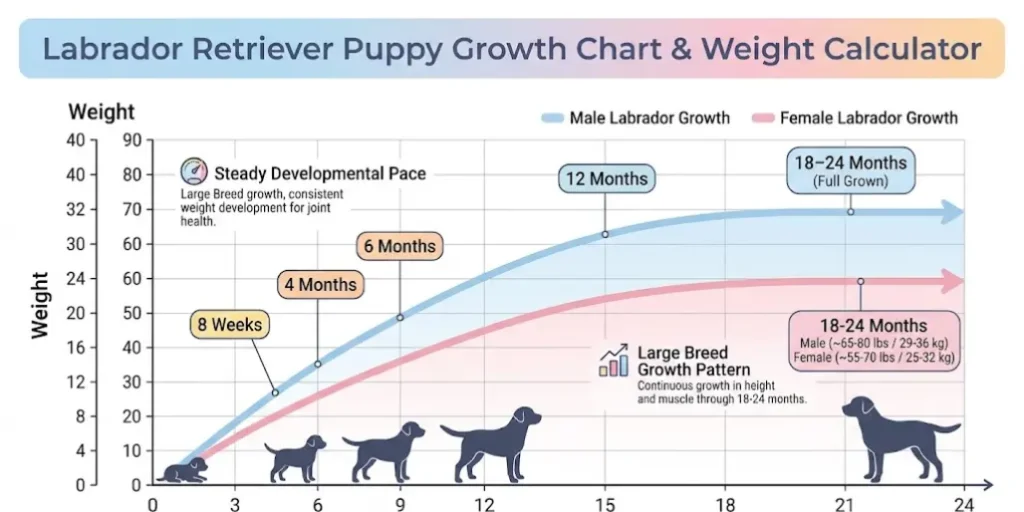

To determine what your puppy will weigh as an adult, a comprehensive labradoodle growth chart provides the expected adult weight by tracking monthly milestones. Understanding how your labradoodle grows ensures they maintain a healthy weight from puppyhood to their fully grown adult size, depending on whether they belong to miniature or standard size categories.
Puppy Weight and Growth
Understanding Puppy Growth Patterns
Monitoring your puppy through a reliable labradoodle growth chart helps you understand the typical puppy growth pattern during their first year of life. Every individual puppy follows a unique growth curve influenced by genetics, nutrition, and overall health, making it essential for dedicated labradoodle owners to track height and weight regularly as their young dog develops.
Puppy Weight Calculator Overview
Using a specialized puppy weight calculator allows you to input your current weight measurements and accurately predict the adult size of your furry companion. By referencing a detailed weight chart alongside the tool, you can easily anticipate the expected adult weight and ensure your growing pet remains on track for a healthy life.
Factors Influencing Puppy Weight
Multiple variables affect how fast your puppy grows, including:
- The reputation of your breeder
- The specific puppy food you provide
- Whether you are raising Australian labradoodles or standard labradoodles
Evaluating the overall body condition rather than relying solely on a size chart guarantees that your developing canine achieves optimal wellness.
Labradoodle Sizes Explained
Size Categories of Labradoodles
Understanding the various size categories is essential because each type of labradoodle grows differently based on its specific breed heritage. Whether you are monitoring your puppy to ensure they maintain a healthy weight and follow a normal growth curve as they approach their definitive adult size, you will typically care for one of the following:
- Miniature labradoodle
- Medium labradoodle
- Standard labradoodle
Mini Labradoodle Growth Insights
Mini labradoodle growth requires careful observation of height and weight to ensure your small dog develops properly during early puppyhood. By frequently using a reliable weight chart, owners can track specific growth rates and compare their current weight measurements against the expected adult weight for this popular companion.
Comparing Adult Sizes Across Variants
Comparing adult sizes helps labradoodle owners anticipate how large their puppy will be once fully grown. Evaluating the body condition alongside a standard size chart allows you to understand how different labradoodle sizes develop, ensuring your canine achieves optimal wellness regardless of whether you have an Australian labradoodle or another variant.
Using the Labradoodle Growth Chart
Growth & Weight Tool
How big will your puppy get?
Pick a breed to see its typical growth curve, or add your puppy’s current age and weight to check how they’re tracking against the average.
Estimates based on breed-standard adult weight ranges and typical size-class growth patterns. Every puppy is different — check with your vet for individual concerns.
How to Read the Growth Chart
Learning how to read a labradoodle growth chart allows you to accurately predict the adult size of your pet by analyzing monthly milestones. When you regularly weigh your puppy and input the data into a helpful puppy weight calculator, you gain precise insights into their ongoing puppy growth and overall health development.
Expected Weight Range by Age
Tracking the expected weight range by age guarantees that your puppy grows at a steady, healthy pace without unexpected nutritional setbacks. Dedicated labradoodle owners can utilize tools like the Dog Growth Chart & Weight Calculator to:
- Monitor fluctuations
- Ensure proper nutrition through high-quality puppy food during every crucial developmental stage
Determining When a Labradoodle Stops Growing
Determining when a labradoodle stops growing depends on the specific growth pattern established during the first year of life. Once your dog reaches full grown status, tracking ceases, and you can finalize their adult weight metrics, celebrating the successful journey managed efficiently with DogBreedCalc.
Nutrition and Weight Management
Puppy Food Recommendations for Growth
Providing optimal puppy food is essential for ensuring healthy growth and proper development in every young labradoodle. As your puppy grows, selecting the right nutrition supports a balanced growth curve, helping labradoodle owners manage daily energy needs and maintain a healthy weight throughout their formative developmental stages.
Monitoring Weight as They Grow
Regularly tracking height and weight allows you to evaluate the body condition of your pet and compare measurements against a standard size chart. Observing these steady growth rates ensures your developing canine reaches the predicted adult size while avoiding nutritional deficiencies or excessive weight gain during puppyhood.
Tools for Labradoodle Owners: Weight Tracking
Dedicated labradoodle owners can easily monitor ongoing puppy growth by recording monthly metrics on a detailed weight chart. Utilizing a reliable puppy weight calculator helps you accurately anticipate the expected adult weight, ensuring your companion transitions smoothly into a healthy, fully grown adult dog without any developmental surprises.
Conclusion and Resources
Summary of Growth and Size Expectations
Understanding the unique growth pattern of your labradoodle ensures you are well-prepared for their transition into adult size categories. By consistently tracking your current weight data and referencing a trusted labradoodle growth chart, you guarantee that your beloved companion achieves a healthy weight and optimal wellness for life.
Additional Resources for Puppy Owners
Exploring comprehensive guides and consulting with a reputable breeder offers valuable insights into managing diverse labradoodle sizes and specific breed requirements. These resources empower every owner to better understand developmental milestones, ensuring proper care from early puppyhood until their dog is fully grown.
Explore Our Dog Growth Chart & Weight Calculator
To accurately predict your pet's final measurements and monitor every stage of their development, we invite you to utilize the Dog Growth Chart & Weight Calculator provided by DogBreedCalc to ensure your furry friend stays healthy.
Labradoodle Weight Chart by Age: Frequently Asked Questions
How can I use a Labradoodle growth chart and weight calculator?
A chart by age offers a general comparison for your puppy’s weight and growth, while a calculator can provide an estimate based on details such as age, current weight, and expected adult size. These tools are not a diagnosis or a guarantee: Labradoodles are a mixed breed, and every puppy grows at a different rate. For the most useful estimate of your puppy’s adult weight, ask your veterinarian to consider your puppy’s health, parents, and growth history.
When will my Labradoodle reach adult weight?
Many Labradoodles approach their full adult height before they reach adult weight. Smaller dogs may mature sooner, while larger dogs can take longer to fill out. Some Labradoodles continue gaining muscle and filling out after their height has mostly stabilized, so reaching a particular age does not necessarily mean your puppy’s growth is complete.
How big will my puppy get?
How big your puppy will get depends on factors including the size of both parents, generation, sex, and overall health. A Labradoodle might be larger or smaller than a typical estimate, even within the same litter. Parent size can offer a way to estimate adult size, but it cannot predict your puppy’s adult weight precisely.
What is the difference between miniature, medium, and standard Australian Labradoodles?
Size labels generally describe a dog’s expected adult height and weight, but ranges can vary among breeders and organizations. Miniature Australian Labradoodles are typically smaller than medium Labradoodles, while standard-size dogs tend to be larger. Ask the breeder about the parents’ measurements and the specific size range used for their Australian Labradoodles.
How much should an 8-week-old Labradoodle weigh?
There is no single correct weight for every puppy at 8 weeks. The expected weight depends on the puppy’s size type, parents, and individual growth pattern. A puppy that is 8 weeks old should be assessed as an individual; steady growth, good energy, and veterinary checkups matter more than matching one number on a weight chart.
Is my puppy’s weight normal if it is above or below the chart?
A chart shows typical growth, not a pass-or-fail range. Your puppy may fall above or below an estimate and still be healthy, especially if the parents are larger or smaller than average. Contact your veterinarian if you notice unusual growth, a sudden change in weight, poor appetite, or concerns about body condition.
How often should I track my Labradoodle puppy’s weight?
Tracking weight regularly can help you and your veterinarian spot changes over time. Weigh your puppy under similar conditions and record the age and measurement, rather than focusing on a single result. Your veterinarian can explain whether the pattern is appropriate and whether your puppy needs a change in feeding or care.
Can paw size predict a Labradoodle’s adult weight or height?
Paw size alone is not a reliable predictor of full height or adult weight. Large paws may appear on a growing puppy, but they do not tell you exactly how large the dog will become. Parent size, current measurements, and a veterinary assessment provide more useful information about your puppy’s likely adult size.
When should I adjust the food my puppy eats?
Choose food formulated for puppies and feed an amount appropriate for your puppy’s age, size, activity, and body condition. Do not increase portions just to make a puppy grow faster or to match a chart. Ask your veterinarian when to transition to adult food; timing can differ for smaller and larger dogs.