
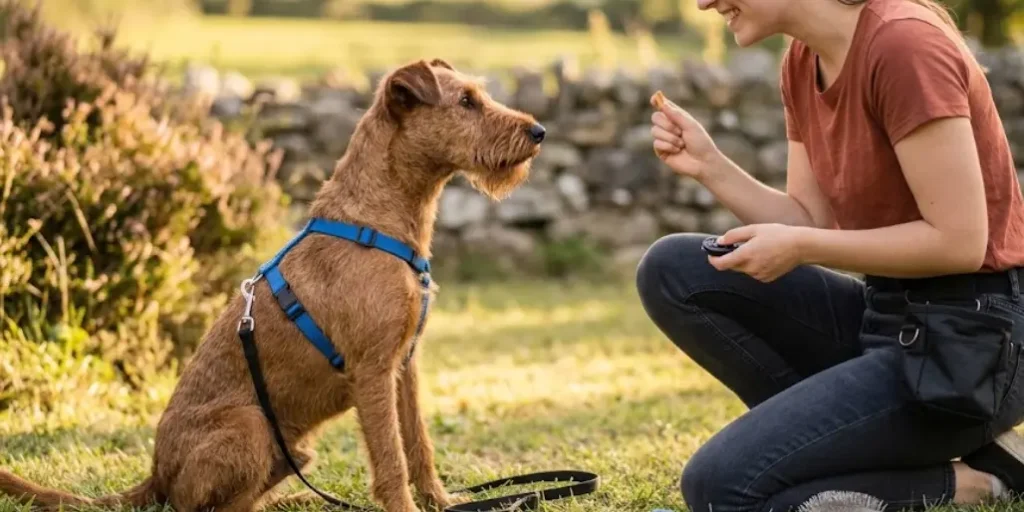
If you are looking for a spirited and fiery companion, the Irish Terrier is a fantastic choice that brings endless energy and loyalty to your home. Developed in Ireland centuries ago, this striking dog breed features a distinctive red wiry coat and a fearless attitude. Originally bred for farm work and hunting, these dogs are remarkably affectionate with their families while maintaining a strong watchdog instinct. They are deeply loyal, highly intelligent, and always ready for an outdoor adventure with their favorite people.
Overview of the Irish Terrier
History and Origin
Tracing back many generations, the Irish Terrier is one of the oldest terrier breeds known to enthusiasts and historians alike. Developed in Ireland, these versatile dogs share ancestry with the ancient black and tan terrier and possibly the legendary wolfhound. They earned a stellar reputation during wartime as reliable messengers and guard dogs. Recognized early on by the kennel club and supported by the dedicated Irish Terrier Club, this historic lineage remains beloved for its unmatched courage, resilience, and working heritage.
Physical Characteristics
When you look at a healthy adult or a playful Irish Terrier puppy, you will notice a sturdy, athletic frame covered by a dense, wiry coat. Their signature red fur protects them from harsh weather and briars. Maintaining that classic look requires regular hand stripping to remove dead hair and keep the harsh texture intact, though many owners also rely on a professional groomer. Beyond their striking appearance, these dogs are built for speed and agility, possessing an expressive face with folded V-shaped ears and a proud, upright stance.
Temperament of Irish Terriers
The personality of an Irish Terrier is a fascinating blend of fiery determination and deep devotion to its human family. While they can sometimes be strong-willed, proper socialization helps them mature into wonderful companions that are generally good with children when raised together. They possess a high prey drive and will readily bark to alert you of visitors, acting as a natural watchdog. Because they are so energetic, channeling their enthusiasm through consistent training and positive reinforcement ensures they remain well-mannered and happy household pets.
Training Your Irish Terrier
When you start working with a 7-month-old Irish Terrier, you are diving into a crucial developmental window where your young dog is full of boundless energy and testing boundaries. This is the exact time when structured dog training pays off massively, helping your Irish Terrier puppy understand house rules and polite manners. You will want to focus heavily on positive reinforcement, rewarding good choices with high-value treats and enthusiastic praise rather than harsh corrections. Incorporating short, engaging sessions into your daily routine prevents boredom and keeps your spirited pet focused on learning new skills instead of getting into trouble around the house.
Basic Commands for a 7-Month-Old Irish Terrier
Teaching foundational obedience to a 7-month-old Irish Terrier requires immense patience, consistency, and a sense of humor since this dog breed is notoriously independent. To help your puppy succeed, you should focus on the following key steps:
- Start by mastering simple cues like sit, stay, come, and leave it, always keeping sessions brief to match your puppy’s short attention span.
- Practice loose-leash walking in a distraction-free environment before heading out into the busy neighborhood, as walking politely on a leash can be a challenge with this energetic dog.
If you ever feel overwhelmed by their stubborn streak, consulting a professional dog trainer or looking into resources like our terrier training guide can give you the exact strategies you need to succeed.
Addressing Irish Terrier Aggression
Dealing with potential Irish Terrier aggression means you need to identify triggers early and rely on proven behavior modification techniques rather than punishing the dog. Because these dogs have a naturally high prey drive and can sometimes become possessive over toys or food, early socialization during the puppy stage is absolutely non-negotiable. If you notice your dog acting overly protective or aggressive towards strangers or other pets, consult your veterinarian to rule out any underlying medical issues before seeking help from a certified animal behaviorist. Keeping your family dog well-socialized and confident ensures they remain a safe, loving companion in your home.
Effective Training Tips for 8-Month-Old Irish Terrier
As your adolescent pet transitions into an 8-month-old Irish Terrier, you might notice a sudden resurgence of teenage stubbornness that tests your limits. Sticking to consistent training is the single best way to reinforce good habits and remind your clever dog who is guiding the ship. Keep challenging their minds with interactive puzzle toys, advanced obedience drills, and plenty of outdoor exercise to burn off that signature terrier energy. By maintaining clear boundaries and celebrating small victories along the way, you will forge an unbreakable bond with your companion. DogBreedCalc
Health Considerations for Irish Terriers
Keeping your furry best friend in tip-top shape means staying ahead of potential medical concerns that commonly affect this unique dog breed. While these spirited pups are generally robust and hardy, routine check-ups with a trusted veterinarian are essential for catching any subtle issues before they turn into major problems. Your local veterinarian can perform thorough physical exams, recommend preventive parasite control, and make sure your lively companion stays fully up to date on all necessary vaccinations throughout every stage of life.
Common Health Issues
Every dedicated dog owner should stay informed about the specific ailments that can occasionally impact Irish Terriers as they age gracefully. Although they boast a generally healthy constitution inherited from their working ancestors, you still need to watch out for skin allergies, hereditary eye conditions, and occasional joint stiffness. Keeping a close eye on their daily comfort levels and scheduling regular wellness checks helps ensure your beloved family dog enjoys a long, vibrant life free from unexpected aches, pains, or chronic discomfort.
Regular Veterinarian Check-ups
Partnering closely with a licensed veterinarian is the absolute best way to guarantee your energetic Irish Terrier puppy stays healthy from head to paw. These routine visits allow medical professionals to monitor dental hygiene, check weight management, and provide tailored advice regarding parasite prevention and overall wellness. Establishing a strong relationship with your vet clinic means you will always have expert guidance on hand whenever you have questions about nutrition, exercise limits, or minor behavioral quirks that pop up around the house.
Diet and Nutrition for Old Irish Terriers
Feeding a mature or senior Irish Terrier requires a thoughtful approach to calorie intake, nutrient balance, and joint support supplements. As your faithful companion slows down with age, adjusting their daily food portions prevents unwanted weight gain that could otherwise strain their hips and joints. High-quality protein sources paired with omega fatty acids will keep their signature wiry coat looking shiny and protect their skin from dryness, ensuring your golden years together are as comfortable and joyful as possible.
Behavioral Insights
Understanding the complex psychological makeup of Irish Terriers helps you appreciate why they act with such fiery passion and endless curiosity. These clever dogs thrive when they have a clear job to do, plenty of mental stimulation, and consistent boundaries established by their human caregivers. By paying close attention to their body language and natural instincts, you can easily guide your spirited pet toward making great choices and becoming the most polite, well-adjusted household companion imaginable in any neighborhood.
Socialization Techniques for Young Irish Terriers
Early socialization is the ultimate secret weapon for raising a confident, friendly 7-month-old Irish Terrier who loves meeting new people and furry friends alike. Exposing your growing puppy to various sights, sounds, surfaces, and friendly strangers in a controlled, positive manner prevents fearfulness down the road. Pairing these new adventures with delicious treats and cheerful praise teaches your clever dog that the outside world is a safe, exciting place rather than something scary to bark at or avoid.
Understanding the Needs of a 7-Month-Old Irish Terrier
Entering late puppyhood means your enthusiastic 7-month-old Irish is full of blazing energy and ready to test every single rule you have set. This specific age demands structured daily exercise, interactive puzzle toys, and plenty of patience as your adolescent dog navigates hormonal changes and boundless curiosity. Channeling that intense drive into structured games of fetch or agility practice keeps their busy minds occupied and stops them from inventing their own mischievous entertainment indoors.
Tips for Managing an Old Irish Terrier
Caring for a distinguished old Irish Terrier brings a slower, more tender pace of life that allows you to deeply appreciate your lifelong bond. While their muzzle might turn a bit frosty and their daily walks might become shorter and more leisurely, their fierce loyalty and affectionate nature remain completely unchanged. Providing cozy orthopedic bedding, ramps for easy couch access, and gentle companionship ensures your cherished senior dog spends their golden years feeling loved, pampered, and wonderfully secure.
Resources for Irish Terrier Owners
Recommended Reading and Guides
Every dedicated dog owner can benefit greatly from expanding their library with specialized literature dedicated entirely to our favorite wiry-coated companions. Reading up on the history of terrier breeds and modern care techniques ensures you are always prepared for whatever quirky behaviors your dog breed might exhibit next. Whether you want to master hand stripping or simply understand your family dog better, investing in quality books written by experienced Irish Terrier Club members will give you a massive advantage in everyday pet parenthood.
Training Resources: Terrier Training Guide
Finding the right instructional materials makes all the difference when you are knee-deep in puppy shenanigans and trying to instill good manners. Utilizing a comprehensive terrier training guide helps you navigate everything from leash walking to curbing that natural watchdog instinct. When you implement consistent training strategies rooted in positive reinforcement, your clever Irish Terrier puppy will quickly learn how to channel that fiery energy into polite, obedient behavior that makes living together an absolute breeze for everyone in the household.
Community Support and Forums
Connecting with fellow enthusiasts through online forums and local kennel club meetups offers incredible emotional and practical support for navigating life with an Irish Terrier. Sharing stories about your 7-month-old Irish Terrier or swapping tips on finding the best professional groomer builds a wonderful sense of camaraderie among passionate dog owners. These vibrant communities often organize fun events, social walks, and educational seminars where you can learn advanced socialization techniques and celebrate the unique charm of this historic, affectionate dog breed.
Conclusion
Final Thoughts on Irish Terriers
Embracing life with an Irish Terrier is an extraordinary journey filled with endless laughter, boundless loyalty, and plenty of outdoor adventures. Their fierce devotion, striking wiry coat, and spirited personality make them unforgettable companions for active individuals and families alike. By respecting their rich working heritage and committing to lifelong guidance, you ensure your loyal family dog remains a confident, happy, and well-behaved member of your household for many wonderful years to come.
How to Get Started with Your Irish Terrier
Beginning your wonderful adventure with a new Irish Terrier puppy starts with setting up a safe, engaging home environment and establishing a reliable routine right from day one. To be fully prepared to tackle socialization, basic obedience, and coat maintenance, make sure to stock up on:
- High-value treats
- Durable interactive toys
- Essential grooming supplies
Remember to lean on professional resources, consult your trusted veterinarian when needed, and enjoy every single moment of watching your fiery companion grow into an amazing family dog.
About DogBreedCalc
DogBreedCalc is your ultimate online destination for comprehensive, reliable, and easy-to-understand information about various canine companions, helping prospective and current owners make informed decisions.
FAQ
Q: Is an Irish Terrier dog breed the right choice for my family?
A: Absolutely, if you are looking for a loyal and loving companion with a fiery red coat and a distinct wire hair. This medium-sized pup is known for being protective, playful, and great with people when properly socialized. They make a wonderful addition to active households that love the great outdoors.
Q: What should I expect from a 7 month old irish puppy?
A: At this stage, your pup is full of energy and testing boundaries. You will need to commit to lots of training to channel that brainpower into good behavior. They still have plenty of puppy antics left in them, but consistency now pays off immensely later.
Q: How much exercise does a 7 months old energetic puppy need?
A: You should plan for at least 30 minutes of vigorous daily exercise to keep your furry friend happy. Engaging their minds with activities like scent work is also a fantastic way to burn off mental energy and prevent boredom.
Q: Are there specific challenges with an 8 month old irish terrier during adolescence?
A: Yes, this is the teenage phase where they might try to lunge at distractions or test your leadership. Reinforcing basic obedience and working toward goals like passing an akc evaluator test can help keep their teenage rebellion in check.
Q: How do I handle housebreaking and potty training for my young dog?
A: Sticking to a strict routine is key so they learn when and where to urinate outside. Combining this with consistent crate training helps prevent indoor accidents and teaches them bladder control much faster.
Q: What grooming is needed for that gorgeous wire hair coat?
A: Regular brushing and occasional hand-stripping keep their signature red coat looking sharp and healthy. Despite the rough exterior, they can actually be quite cuddly once they settle down on the couch with you after a long walk.
Q: When does this dog breed finally calm down from being so hyper?
A: While they retain a playful spirit for life, most owners notice a significant maturity shift around 14 months of age. Until then, patience, structure, and plenty of physical outlets are your best friends.
Q: What health issues should I discuss with my veterinary clinic?
A: You should routinely check for common concerns in the breed, such as hip dysplasia and hyperkeratosis on their paw pads. Regular check-ups ensure your companion stays healthy throughout all their life stages.
Q: Why was this considered such a versatile working dog historically?
A: Originally bred to hunt vermin and guard farms, these pups have a fearless and determined personality. That strong prey drive means you always need to keep a close eye on them when they are off-leash outside.