Training an Irish wolfhound puppy requires a deep understanding of what makes this specific dog breed so uniquely challenging and rewarding to raise. To answer your main question right away, successfully guiding this gentle giant involves starting obedience early, using positive reinforcement, and respecting their sensitive nature while managing their massive growth. Because you are dealing with the absolute tallest dog breed in the world, your little pup will quickly transform into a giant, meaning early puppy training and socialization are non-negotiable for a well-behaved adult companion. If you want to dive deeper into working with this specific type of dog, you might find our guide on hound training quite helpful for shaping good habits.
Understanding the Irish Wolfhound
Getting to know the heart and mind of this magnificent wolfhound breed is the ultimate key to building a strong lifelong bond. These dogs are famous for being incredibly affectionate family members despite their intimidating size, blending a calm indoor demeanor with a deep-rooted sighthound heritage. When you first bring your Irish wolfhound puppy home, you will quickly notice how sensitive dogs of this caliber can be, meaning harsh corrections will completely backfire during your daily sessions. Instead, focus on building trust through patience, consistency, and a clear understanding of their unique history, physical build, and overall behavioral traits that set them apart from other popular canine companions.
History of the Irish Wolfhound Breed
The fascinating history of this ancient Irish wolfhound stretches back centuries across the misty landscapes of Ireland, where these powerful creatures were originally bred to hunt wolves and large game. Long before they became cherished household pets, historical records maintained by enthusiasts and the Irish wolfhound club highlight their legendary status as fierce hunters and loyal protectors of royalty. Over the decades, dedicated preservation efforts by passionate breeders saved the wolfhound breed from the brink of extinction, transforming them from working battlefield guardians into the beloved, family-oriented gentle giants we cherish today. Understanding this rich heritage helps modern owners appreciate why their young pup still retains certain chasing instincts and a strong desire to stretch their long legs across open fields.
Physical Characteristics of Irish Wolfhounds
Standing on their hind legs, these majestic animals easily tower over most humans, proudly holding the title of the tallest dog in the world with their unmistakable, imposing silhouette. A healthy Irish wolfhound features a rough, wiry coat, deep chest, and a surprisingly agile frame built for speed, which often surprises people who only focus on their massive overall weight and height.
| Category | Details |
| Classification | Sighthound |
| Key Health Concerns | Joint issues (like dysplasia) and bloat |
Because they belong to the broader category of sighthounds, their anatomy is engineered for explosive running rather than endurance, requiring careful management during their rapid growth phases to prevent joint issues like dysplasia. Owners must also keep a watchful eye on potential health concerns such as bloat, making regular checkups with a trusted veterinarian an absolute priority throughout the dog’s life.
Temperament and Behavior of Wolfhounds
Despite their somewhat intimidating exterior, the temperament of a typical wolfhound is remarkably gentle, sweet-natured, and remarkably peaceful around children and other pets alike. These giant breeds are rarely aggressive, preferring a quiet spot on the living room floor over endless high-energy antics, though a growing Irish wolfhound puppy still needs plenty of supervised exercise to burn off steam. They are known for being sensitive dogs that take corrections very personally, so modern training methods focusing on rewards work infinitely better than outdated disciplinary tactics. With the right approach to early socialization, your young dog will grow into a wonderfully balanced, dignified adult that brings immense joy and serenity to your household.
Obedience Training for Your Wolfhound Puppy
When it comes to obedience for such a massive dog breed, starting early is the absolute best way to ensure your Irish wolfhound puppy grows up to be a manageable and polite household companion. Because this particular wolfhound will eventually outweigh most humans, teaching basic manners is not just a nice idea, but an absolute necessity for daily safety. Many new owners worry that these giant breeds are stubborn, but with the right mix of positive reinforcement and patience, you can make significant progress. You should incorporate short, fun sessions into your daily routine, using high-value treats to keep your pup engaged. Avoid harsh corrections at all costs, as sensitive dogs will simply shut down or become fearful if you raise your voice. Instead, focus on clear communication, consistency, and rewarding good choices, which will lay a rock-solid foundation for all future learning.
Basic Commands Every Puppy Should Learn
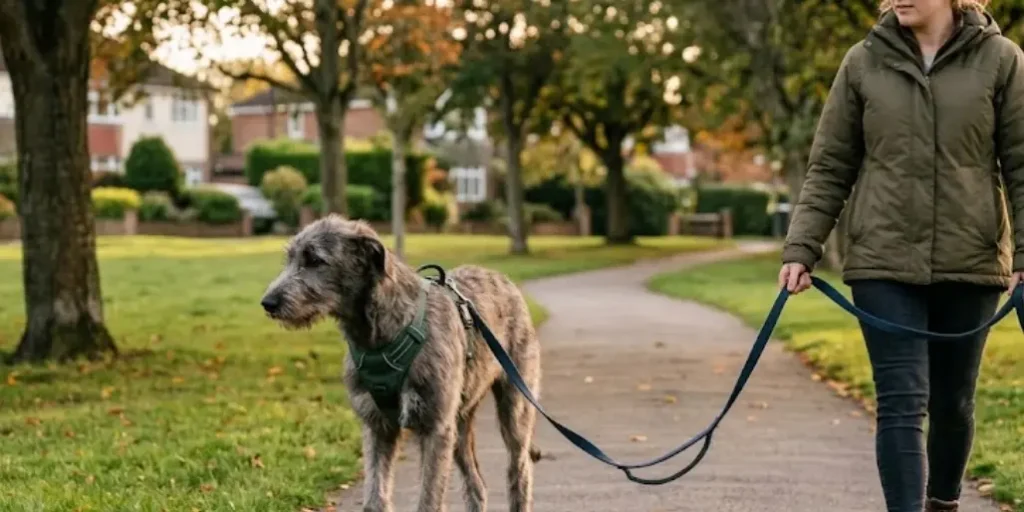
Mastering fundamental cues like sit, stay, and come is essential when you are actively training an Irish wolfhound, especially since a fully grown adult possesses immense physical strength. Every single puppy needs to learn how to walk politely on a leash without dragging you down the sidewalk, which means leash manners must be practiced every single day. Since you are raising the tallest dog breed on the planet, even a minor jump or a playful lunge can knock you off balance, making reliable impulse control a top priority. To ensure success with your giant companion:
- Incorporate daily practice into meal times and playtime, keeping sessions brief to prevent boredom.
- Seek professional training classes or consult experienced Irish wolfhound owners if you ever feel stuck, which can provide invaluable tips tailored specifically to the quirks of this unique dog breed.
Socialization Techniques for Irish Wolfhound Puppies
Proper socialization is arguably the most critical part of raising a confident Irish wolfhound puppy, as early exposure prevents fearfulness and aggression later in life. You need to introduce your growing pup to a wide variety of new people, strange sounds, different surfaces, and friendly animals during their critical developmental window. Because a well-socialized wolfhound breed adult is calm, dignified, and unfazed by everyday hustle and bustle, taking trips to quiet parks and organizing controlled playdates will pay off immensely. Always keep these encounters positive and stress-free, allowing your dog to approach new stimuli at their own pace. A good breeder will often start this process before you even bring the puppy home, but the heavy lifting continues once your gentle giant arrives at your front door.
Common Challenges in Training an Irish Wolfhound
Navigating the various hurdles of dog training with this specific sighthound can sometimes test your patience, largely due to their independent streak and slow physical maturity. One common challenge is their tendency to get distracted by moving objects, a leftover trait from their history as a hunting wolfhound, which makes reliable recall a bit tricky to master outdoors. Additionally, because they grow at an astonishing rate, managing their energy levels without putting too much stress on developing joints requires a delicate balancing act. You must also watch out for health concerns like bloat and hip dysplasia as they age, keeping a close relationship with your veterinarian. Raising such a magnificent animal is a unique journey, and for personalized guidance and tools, you can always check out DogBreedCalc.
Easy Training Tips for Irish Wolfhound Puppies
Working with an Irish wolfhound puppy requires a lot of patience, dedication, and an understanding of how to make lessons fun for a growing dog breed. People often wonder if this massive sighthound is easy to train, and the truth is that while they are smart, their independent nature means you need a clever approach to keep them engaged. Because this specific wolfhound breed matures slowly both mentally and physically, you should keep your daily sessions short, upbeat, and very rewarding. Consistency is key when you are navigating puppy training with such a massive animal, so make sure everyone in the household uses the exact same rules and cues. With time and a calm attitude, your young pup will quickly master the basics and turn into a well-mannered companion.
Positive Reinforcement Techniques
Using positive reinforcement is by far the best method when you are training an Irish wolfhound, especially since these gentle giant dogs possess very sensitive feelings. Instead of using harsh corrections or raising your voice, which will only make your puppy shut down or become fearful, reward every single good choice with high-value treats and enthusiastic praise. This approach builds a deep sense of trust between you and your dog, making them genuinely eager to please you during every lesson. Whether you are working on basic obedience or teaching polite indoor manners, keeping the atmosphere light and encouraging yields the absolute best results for this unique breed. Over time, these rewarding training methods will help your giant breed companion develop into a confident, happy, and balanced adult dog.
Creating a Consistent Training Schedule
Establishing a predictable, everyday routine is essential for any Irish wolfhound puppy because consistency helps them understand what you expect from them without causing unnecessary stress. To build these reliable habits effectively, you should incorporate a few steady practices into your daily schedule:
- Practice basic commands at the exact same times each day, perhaps right before meals or after a short potty break when your dog is relatively calm.
- Dedicate five or ten minutes of focused dog training per day rather than relying on sporadic, marathon sessions.
- Make sure all family members are on the same page regarding rules, feeding times, and house guidelines to avoid confusing your sensitive dog.
By maintaining this steady structure, you provide a secure environment where your growing wolfhound can thrive and learn successfully.
Utilizing Training Help and Resources
Sometimes raising the tallest dog breed on the planet presents unexpected challenges, and there is no shame in seeking professional training help when you need extra guidance. Enrolling in local training classes designed for large dogs can give your Irish wolfhound puppy valuable socialization opportunities while helping you troubleshoot stubborn behaviors with expert advice. You can also connect with experienced Irish wolfhound owners or read specialized literature recommended by the Irish wolfhound club to pick up clever tips and tricks. Remember to keep regular appointments with your veterinarian to ensure your dog is healthy and pain-free, as physical discomfort can often look like disobedience. For more helpful insights on managing and tracking your pet’s development, feel free to explore DogBreedCalc.
Conclusion: Raising a Well-Trained Irish Wolfhound
Bringing this journey to a close, successfully raising an Irish wolfhound requires a lifetime commitment to understanding the unique nuances of this majestic dog breed. From navigating the rapid growth phases of a young Irish wolfhound puppy to mastering lifelong obedience and proper socialization, every single effort you invest pays off tenfold when you share your home with such a magnificent gentle giant. Because these sensitive dogs respond poorly to harsh corrections, relying on positive reinforcement and patience will always yield the best results with this particular wolfhound breed. Whether you are dealing with an energetic pup or an aging adult, maintaining a strong bond through clear communication ensures a harmonious household for everyone involved.
Final Thoughts on Puppy Training
Reflecting on the core principles of puppy training, consistency and early guidance remain your strongest allies when dealing with the tallest dog breed in the world. Even though raising a massive sighthound comes with distinct physical challenges, establishing good manners early on prevents minor habits from turning into major safety hazards down the road. Keep your daily sessions short, upbeat, and rewarding to ensure your intelligent dog stays engaged without becoming overwhelmed by complex commands. Always remember that patience is vital, as this particular wolfhound takes several years to mature both mentally and physically, meaning steady progress is always better than rushed expectations.
Additional Resources for Wolfhound Owners
Connecting with other experienced Irish wolfhound owners can provide an incredible network of support, advice, and shared wisdom regarding health, nutrition, and behavior. Organizations like the Irish wolfhound club of America and the Irish wolfhound foundation offer fantastic educational materials tailored specifically to the health concerns, such as bloat and hip dysplasia, that affect these giant breeds. Furthermore, scheduling routine checkups with a trusted veterinarian ensures your dog stays in peak physical condition throughout every stage of life. Leveraging these specialized resources takes the guesswork out of daily care, helping you provide the highest possible quality of life for your beloved companion.
Explore Hound Training for More Tips
If you want to continue refining your skills and discovering new techniques for managing your pet, exploring additional educational guides can prove immensely beneficial. For instance, reading our separate resource on hound training offers practical advice that easily translates to working with sighthounds and other independent canine companions. By continuously expanding your knowledge base and adapting your approach to fit your dog’s specific needs, you ensure a lifetime of mutual respect and companionship. For more insights on tracking your pet’s milestones and growth, be sure to visit DogBreedCalc.
FAQ
Q: Is the Irish Wolfhound a dog breed that’s easy to train?
A: Honestly, it depends on what you mean by “easy.” Irish Wolfhounds are generally pretty chill and eager to please, which makes basic training go smoother than you’d think for such a huge dog. But don’t expect them to be as quick on the uptake as some obedience dogs bred specifically for that purpose. They’re smart, just a little independent-minded sometimes. Compared to a husky, though, they’re often easier to train since they’re not as stubborn or escape-happy.
Q: Why is crate training important for this large size breed?
A: Crate training is a lifesaver when you’re dealing with a dog that’ll eventually weigh up to 180 pounds. Starting crate training early while they’re still puppy-sized means you’re not wrestling a giant hound into a crate later. It also helps massively with separation anxiety, which Irish Wolfhounds can struggle with since they’re pretty attached to their people. A crate becomes their safe little den, not a punishment zone.
Q: What makes training an Irish Wolfhound different from training smaller dogs?
A: The big thing (pun intended) is their imposing size. A behavior that’s cute or manageable in smaller dogs, like jumping up or pulling on the leash, becomes a real problem when your dog weighs as much as an adult human. You also have to be mindful of their joints during training sessions, especially with jumping or hard impacts, since large and giant breeds are prone to hip and elbow issues.
Q: Do Irish Wolfhounds have a history as hunting dogs?
A: Yep, totally. These are some of the original hunting dogs, originally bred to course large game and even reportedly take down wolves in Ireland back in the day. That hunting heritage means they’ve got natural drive and great speed, even though today’s Irish Wolfhound may spend most of their time lounging on your couch instead of chasing anything.
Q: Can Irish Wolfhounds participate in dog sports?
A: Definitely, and it’s a great way to bond with your dog while channeling that Wolfhound experience into something productive. Lure coursing is a natural fit given their sighthound background and love of running. They can also do obedience, rally, and even some agility, though their large size means you’ll want to go easy on jumps and tight turns to protect their joints.
Q: What training aids work best for such a large and giant breed?
A: A well-fitted harness is a solid training aid, especially early on, since it gives you better control without putting pressure on their neck. Treat pouches, clickers, and long training leads also help a ton. Compared to an average dog, you’ll want gear that’s sized up and sturdy enough to handle their strength once they’re grown.
Q: How does lifespan affect training priorities for Irish Wolfhounds?
A: This is a big one people don’t always think about. Irish Wolfhounds sadly only have a lifespan of about six to eight years, which is shorter than a lot of other breeds of dogs. That means there’s kind of a shorter window to get training solidly in place, so starting early and staying consistent really matters if you want a well-behaved companion for the time you have together.
Q: Does the American Kennel Club have specific guidance for this breed?
A: The American Kennel Club recognizes the Irish Wolfhound and provides breed standards along with general training and care tips. They emphasize early socialization and basic training, plus they highlight the importance of regular veterinary checkups given the breed’s size-related health risks. It’s a good resource if you want official breed info beyond just internet forums.
Q: Should I talk to my vet about training and health together?
A: Absolutely, yes. It’s smart to talk to your vet before starting any intense training routine, especially anything involving jumping or long runs. They can guide you on supplements or diets to support joint health, since large and giant breeds like Irish Wolfhounds are prone to hip and elbow problems. Regular veterinary checkups also help catch issues early, so training and vet visits really should go hand in hand.
Q: Is it harder to teach a dog to sit when they’re this big?
A: Not really harder, just different. Teaching a dog to sit is pretty basic training regardless of size, but with an Irish Wolfhound puppy, you’re working with a dog that grows fast and gets heavy quick. Patience is key, and using positive reinforcement works great. Once they get it, their sheer size actually makes the “sit” command super useful for controlling them in public since they’re, well, enormous.