Training a Great Dane might seem like a monumental task given their impressive stature, but with the right approach and a good understanding of their unique needs, it’s an incredibly rewarding experience. These gentle giants are eager to please, making them highly receptive to training when done consistently and with positive reinforcement.
Is a Great Dane easy to train?
Understanding the Great Dane temperament
Great Danes are often described as “gentle giants” due to their naturally affectionate and docile temperament, which makes them quite receptive to training. Their desire to please their owners is a huge asset, meaning they are generally eager to learn and respond well to positive reinforcement. This makes Great Dane training a much smoother process than some might anticipate for a breed of their size.
The role of size in training
While their temperament is gentle, the sheer size of a Great Dane means that training takes on an added layer of importance. A playful puppy can quickly grow into a powerful dog, so foundational training is critical. Puppy training for Great Danes, focusing on obedience training and impulse control, prevents small behaviors from becoming unmanageable problems when they reach their full adult size.
Common misconceptions about training Great Danes
Many Great Dane owners mistakenly believe that due to their laid-back nature, rigorous training isn’t necessary. However, this is a dangerous misconception; an untrained giant breed, no matter how sweet, can unintentionally cause harm. Great Danes thrive on structure, and consistent training sessions not only ensure good manners but also strengthen the bond between the Dane and its owner.
Why size raises the training stakes
Impact of size on impulse control
The immense size of a Great Dane significantly amplifies the importance of impulse control during training. A lack of proper impulse control in a smaller dog might result in minor annoyances, but for a giant breed, an uncontrolled burst of energy or a sudden lunge can easily knock over an adult. Therefore, Great Dane training must heavily emphasize teaching self-control from a very young age.
Risk management in training a giant breed
Training a Great Dane is inherently a form of risk management; their powerful physical strength, even if used unintentionally, can have outsized real-world consequences. This means that every aspect of puppy training, from leash manners to preventing jumping, is not just about obedience but about ensuring the safety of your Dane and everyone around them. Early and consistent training is key to managing these risks.
Handling physical strength during training
Successfully training Great Danes requires an an understanding of how to manage their significant physical strength. Without proper training techniques, walking a Great Dane on a leash can quickly become a battle of wills, where their powerful pull can easily overpower an unprepared owner. Effective Dane training focuses on teaching them to cooperate rather than allowing their strength to dictate their actions.
Great Dane puppy training basics
Starting early with your Great Dane puppy
Starting early with your Great Dane puppy is absolutely crucial for laying a strong foundation for future behavior. Puppy training should begin the moment your Great Dane puppy arrives home, typically around 8 weeks old. During these early weeks, they are incredibly receptive to learning and positive reinforcement, making it the ideal time to introduce basic commands and good habits. Early intervention with a gentle giant prevents small issues from escalating into significant problems as they grow.
Essential commands for Great Dane puppies
For Great Dane puppies, essential commands like “sit,” “stay,” “come,” and “leave it” are not just polite manners, but fundamental for size management and safety. These commands, taught through positive reinforcement, build a strong bond and establish clear communication. Teaching impulse control through these basic training tips helps manage their growing physical strength, ensuring that your gentle giant understands boundaries and responds reliably when needed.
Socialization tips for Great Danes
Socialization is paramount for Great Danes to ensure they grow into well-adjusted, confident adults. Expose your Great Dane puppy to a variety of sights, sounds, people, and other well-behaved dogs in controlled, positive environments. Puppy training classes are an excellent resource for this. Proper socialization helps prevent fear-based aggression or shyness, fostering a temperament that truly embodies the “gentle giant” ideal and makes them a joy to be around.
Leash manners and preventing jumping early
Techniques for effective leash training
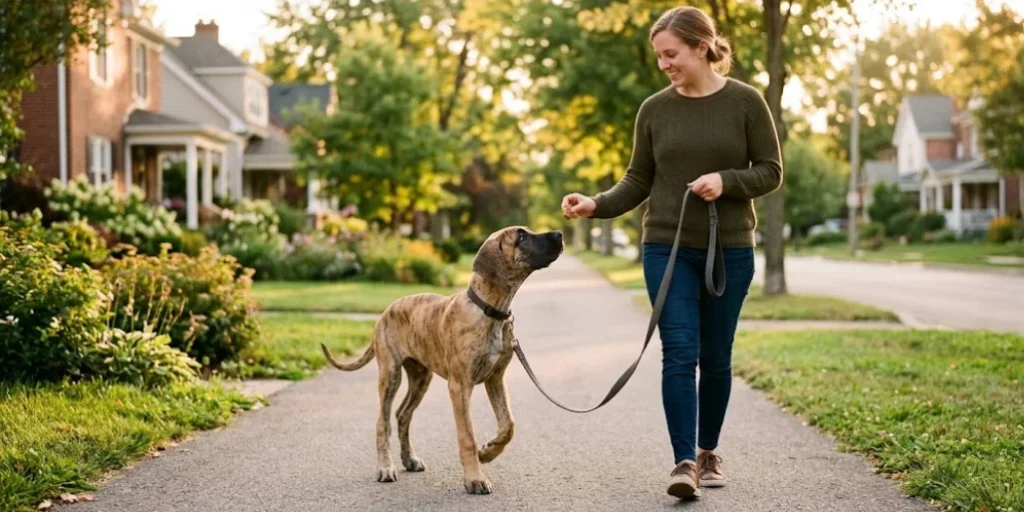
Effective leash training for a Great Dane involves consistent positive reinforcement techniques and the right equipment. Start with a comfortable collar and a sturdy leash, practicing short training sessions in a low-distraction environment. Teach your Great Dane puppy to walk nicely beside you using treats and praise, rewarding loose-leash walking and redirecting any pulling gently. This early focus on leash manners is critical for managing their size as they mature, ensuring enjoyable walks for both of you.
Preventing jumping in Great Danes
Preventing jumping in Great Danes must start early, as a full-grown gentle giant jumping up can be dangerous due to their sheer size. When your Great Dane puppy attempts to jump, calmly turn your back or step away, withholding attention until all four paws are on the floor. Reward them immediately with praise or a treat once they are standing or sitting politely. Consistency across all Great Dane owners and family members is key for this puppy training success.
Importance of leash manners for giant breeds
The importance of leash manners for giant breeds like Great Danes cannot be overstated. A well-trained Great Dane with excellent leash manners is a pleasure to walk, whereas an untrained one can be a significant hazard. Leash training is a cornerstone of size management, teaching your Great Dane to walk politely on a leash prevents pulling, keeps them safe in public, and demonstrates responsible ownership of such a powerful yet affectionate breed.
Common Great Dane training mistakes
Overlooking impulse control
One common error many Great Dane owners make is overlooking the critical need for impulse control training. While Great Danes are known for being gentle giants, their immense size means that a lack of impulse control can have significant consequences. Early and consistent training sessions should heavily focus on exercises that teach your Great Dane puppy to pause, wait, and resist immediate gratification, which is vital for effective size management and preventing potentially dangerous situations as they grow into a powerful adult.
Ignoring the need for consistency
Another frequent mistake in Great Dane training is ignoring the need for absolute consistency. These intelligent dogs thrive on routine and clear expectations. Inconsistent training methods or varying rules from different Great Dane owners can confuse your dog and hinder progress. For training success, every family member must be on the same page, reinforcing commands and appropriate behaviors using the same positive reinforcement techniques during every interaction and training session.
Neglecting socialization and exposure
Neglecting proper socialization and exposure is a significant misstep when training Great Danes. While their temperament is generally affectionate, a lack of early, positive exposure to various people, places, sounds, and other dogs can lead to fearfulness or reactivity. Puppy training should always include structured socialization to ensure your gentle giant grows up to be a confident, well-adjusted companion, comfortable and calm in diverse environments, rather than exhibiting anxiety or aggression.
How much exercise should training include for a giant breed?
Daily exercise requirements for Great Danes
Great Danes, despite their size, don’t require the same high-intensity exercise as some other large breeds. However, they do need consistent daily activity to maintain physical and mental health. Aim for at least 30-60 minutes of moderate exercise each day, which can include walks, supervised play in a securely fenced yard, or even short training sessions that combine physical activity with mental stimulation. This helps manage their energy without overtaxing their growing joints.
Balancing training and physical activity
Balancing training and physical activity is crucial for a Great Dane, especially during their growth phases. Integrate short, fun training sessions into their daily exercise routine. For instance, practice leash manners during walks, incorporate “sit” and “stay” commands during play, or work on recall in a safe, open area. This approach ensures your Great Dane puppy is getting both the mental stimulation of training and the physical activity they need, without excessive impact on their developing bodies.
Fun ways to exercise your Great Dane
There are many fun ways to exercise your Great Dane that also support their training. Engaging in games like “hide and seek” with their favorite toy, going for structured walks in new environments to provide mental enrichment, or even gentle swimming can be excellent. Remember, the goal is not intense exertion but rather consistent, moderate activity that keeps them happy, healthy, and engaged, reinforcing good behavior through enjoyable activities for your gentle giant.
Training Other Large and Giant Breeds
Size makes leash manners and impulse control even more important for gentle giants like the Great Dane. For more tips on managing power and size in other big dogs, visit our guide to working breed training.
FAQ
Why is leash training so important for a Great Dane?
Leash training is incredibly important for a Great Dane due to their immense size and power. A well-trained Great Dane with excellent leash manners ensures safety for both the dog and the public. Without proper leash training, a strong pull or sudden lunge from this gentle giant could easily injure an owner or bystander. Effective leash training, using a sturdy collar and positive reinforcement, is paramount for responsible ownership and enjoyable walks.
At what age should Great Dane training start?
Great Dane training should ideally start the moment your Great Dane puppy comes home, typically around 8 weeks of age. This early start capitalizes on their impressionable puppy stage, allowing for foundational puppy training like potty training, basic commands, and crucial socialization. Starting early with positive reinforcement sets the stage for a well-behaved adult gentle giant and prevents small issues from becoming big problems as they grow.
Are Great Danes gentle despite their size?
Yes, Great Danes are famously gentle despite their imposing size, earning them the nickname “gentle giants.” Their affectionate and docile temperament is a hallmark of the breed, making them wonderful family companions. However, this inherent gentleness still requires proper Great Dane training and socialization to ensure their good nature is consistently channeled into appropriate behaviors, managing their size responsibly and reinforcing their loving disposition.