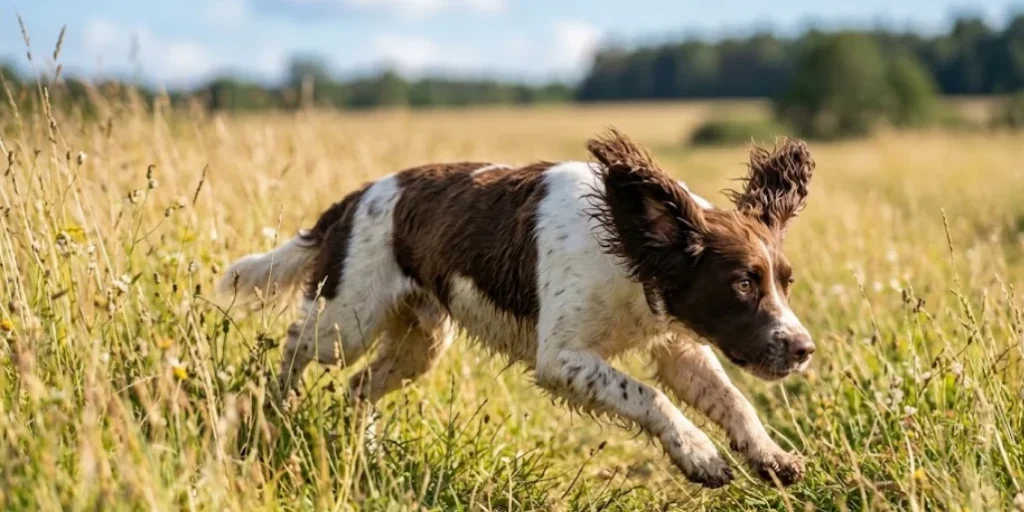
English Springer Spaniels are wonderful companions, known for their cheerful disposition and boundless energy. This guide will walk you through effective training strategies, helping you build a strong bond with your furry friend and navigate the unique challenges and joys of owning this delightful breed.
Are Springer Spaniels easy to train?
Understanding the breed’s characteristics
Springer Spaniels are generally considered intelligent dogs, eager to please their handlers, which certainly gives them a head start in obedience training. Their history as gun dogs means they possess a strong retrieve drive and a natural inclination to work closely with humans, making them quite receptive to learning new commands and participating in various dog training activities. They thrive on having a purpose, which can be a huge asset when you teach your Springer new tricks.
Factors influencing trainability
While their intelligence is a plus, their high energy levels and strong nose can present unique challenges during training sessions. a Springer Spaniel needs consistent guidance and plenty of mental stimulation to prevent boredom, which can lead to unwanted behaviors. Early socialization and proper exposure to various environments are also crucial factors that greatly influence how easily your pup will adapt to new training methods and commands.
Comparison with other breeds
Compared to some more independent breeds, a Springer Spaniel is often more people-oriented and responds well to positive reinforcement. However, their scent-driven nature means they might be more prone to distraction than, say, a Labrador, requiring a handler who understands how to manage their keen senses. While they might not be as “easy” as a Golden Retriever in a quiet setting, their willingness to work makes them highly trainable with the right training approach and consistency.
Managing scent-driven distraction during training
Recognizing the strong nose and flushing instinct
The defining characteristic that often poses a challenge for Springer Spaniel owners is their incredibly strong nose, which leads to frequent scent-driven distraction. These dogs were bred as gun dogs to flush out game, meaning their natural instinct is to follow interesting smells with unwavering focus. This flushing instinct, while invaluable in the field, can make obedience training tricky when a tempting scent crosses their path. It’s crucial for any Springer Spaniel owner to understand this inherent drive.
Techniques to minimize distractions
To combat scent-driven distraction during training sessions, it’s essential to start in low-distraction environments and gradually increase the complexity. Utilizing a long leash can provide control while allowing some freedom, and teaching a strong “leave it” command is paramount. For an English Springer Spaniel, positive reinforcement, like high-value treats or their favorite toy, when they ignore a tempting scent and refocus on you, will go a long way in shaping desired behaviors. Consistency is key with this high-energy breed.
Utilizing scent work for engagement
Rather than fighting the strong nose, smart Springer Spaniel training incorporates it. Engaging your Springer in structured scent work or nose games can provide immense mental stimulation and fulfill their natural drives. This could include hide-and-seek with treats or even introducing them to proper scent detection games, which can be a fantastic outlet for their high energy and keen senses, making them less likely to be overwhelmed by environmental smells during other obedience training.
Springer Spaniel puppy training basics
Initial commands to teach
When you first bring home your Springer Spaniel puppy, focus on foundational commands like “sit,” “stay,” “come,” and “down.” Use positive reinforcement with tasty treats and enthusiastic praise to make learning fun for your young pup. Short, frequent training sessions are much more effective than long, drawn-out ones, as a 9-week-old Springer has a short attention span. Teaching these initial commands will lay the groundwork for more advanced obedience training.
Socialization and exposure
Early socialization is critical for a well-adjusted English Springer Spaniel. Expose your Springer puppy to a variety of sights, sounds, people, and other friendly dogs in a controlled and positive manner. This helps prevent fear or aggression later in life. Puppy classes are an excellent way to combine socialization with basic dog training, ensuring your pup grows into a confident and friendly companion, ready to take on the world alongside its loving owner.
Establishing a routine
Establishing a consistent daily routine from an early age is vital for a Springer Spaniel puppy. This includes regular feeding times, potty breaks, and designated times for play and rest. A predictable routine provides security and helps with house-training, crate training, and overall good behavior. A consistent schedule helps manage their high energy and sets the stage for successful obedience training, ensuring your young Springer understands expectations and thrives in its new home.
Channeling flushing instinct into structured activity
Benefits of structured play
Structured play is incredibly beneficial for a high-energy English Springer Spaniel, providing a crucial outlet for both their physical prowess and their natural instincts. By engaging in purposeful games, you’re not just tiring out your dog; you’re also offering vital mental stimulation that prevents boredom and destructive behaviors. This approach to training helps reinforce the bond between you and your Springer, making future obedience training sessions more effective and enjoyable for both of you.
Activities that satisfy the flushing instinct
To satisfy the inherent flushing instinct of your Springer Spaniel, consider activities that mimic their gun dog heritage in a positive way. Games like “find it” with hidden toys or treats, or even introducing them to agility courses, can be fantastic. These activities tap into their retrieve drive and their strong nose, allowing them to use their natural talents in a controlled and rewarding environment, which is far better than them impulsively chasing every bird they see.
Incorporating obedience with fun
Incorporating obedience training into fun, structured activities is a highly effective method for a Springer Spaniel. For instance, practice “come” during a game of fetch, or “stay” before releasing them to retrieve a hidden toy. This approach teaches your Springer that listening to commands leads to enjoyable outcomes, reinforcing good behavior while satisfying their need for both mental and physical exercise. It makes training feel less like a chore and more like a game.
Common Springer Spaniel training challenges
Dealing with high energy levels
One of the most frequent challenges Springer Spaniel owners face is managing their breed’s inherently high energy levels. Without adequate physical exercise and mental stimulation, a bored Springer can easily resort to unwanted behaviors like excessive barking, chewing, or destructive tendencies. It’s crucial to ensure your Springer Spaniel receives daily vigorous exercise, such as long walks, runs, or active playtime, to keep them balanced and receptive to training.
Addressing mouthy behavior
Many Springer Spaniel puppies, and even some adults, exhibit mouthy behavior, which can be a result of their breed’s retrieve instinct or simply playful puppy nipping. To address this, redirect their attention to appropriate chew toys whenever they try to mouth your hands or clothing. Consistency is key with positive reinforcement; praise them when they chew their toys instead. This teaches your Springer acceptable chewing habits and reduces unwanted nipping.
Strategies for overcoming resistance to commands
When your Springer Spaniel shows resistance to commands, it often stems from either distraction, a lack of clear understanding, or insufficient motivation. Start by revisiting commands in a low-distraction environment, ensuring your teaching methods are consistent. Use high-value treats and enthusiastic praise as positive reinforcement. If resistance persists, consider varying your training approach or consulting with a professional dog trainer, as every dog responds differently to training advice.
How much exercise should training include?
Daily exercise requirements for Springer Spaniels
An English Springer Spaniel requires a substantial amount of daily physical exercise to thrive. Their high energy levels, stemming from their gun dog heritage, mean that a quick stroll around the block simply won’t cut it. Aim for at least one to two hours of vigorous activity per day, ideally split into multiple sessions. This physical outlet is crucial for preventing boredom and destructive behaviors, ensuring your Springer remains a happy, well-adjusted companion and responsive to obedience training.
Types of physical activities
To meet the exercise needs of your high-energy Springer Spaniel, incorporate a variety of physical activities. Fetch is a classic favorite, tapping into their retrieve drive, while long runs, hikes, or swimming are also excellent options. Agility training or flyball can provide both physical exertion and mental stimulation. Remember, the goal is to tire out both their body and mind, making them more receptive to any dog training or training advice you offer later.
Balancing mental stimulation with physical exercise
While physical exercise is paramount, balancing it with mental stimulation is equally important for a Springer Spaniel. A tired body isn’t enough if their intelligent mind isn’t also engaged. Combine vigorous runs with puzzle toys, scent games, or complex obedience training sessions. This holistic approach ensures your Springer is truly fulfilled, leading to a calmer, more focused companion who is less prone to scent-driven distraction and more eager to learn new commands.
The Nose Knows — And So Do Other Sporting Breeds
A strong nose and a flushing instinct aren’t just a Springer trait — they show up across the sporting group in different forms. Check out Sporting Breed Training for the wider view.
FAQ
Why does my Springer Spaniel ignore commands when it catches a scent?
Your Springer Spaniel likely ignores commands when it catches a scent because of its incredibly strong nose and inherent flushing instinct, characteristic of the breed. They were specifically bred as gun dogs to locate and flush out game, meaning their natural drive to follow an interesting smell is exceptionally powerful. This scent-driven distraction can be overwhelming, making it difficult for your Springer to break focus, even for familiar obedience training commands. Consistent training in varied environments can help improve their recall.
Are Springer Spaniels high-energy dogs to train?
Yes, Springer Spaniels are definitely high-energy dogs to train. Their boundless enthusiasm and need for constant activity mean that their training sessions must be engaging and frequent. While their eagerness to please makes them trainable, managing their energy and ensuring they receive adequate physical exercise and mental stimulation is crucial. A bored or under-exercised Springer will be a challenging training partner, often distracted and less focused on the task at hand.
At what age should Springer Spaniel training start?
Springer Spaniel training should ideally start as soon as you bring your puppy home, typically around 8 to 9 weeks old. At this age, a 9-week-old Springer is a sponge, eager to learn basic commands, begin house-training, and undergo crucial socialization. Early positive reinforcement and consistent dog training methods lay a strong foundation for future obedience training, helping to shape a well-behaved and confident English Springer Spaniel.